Custom Streetwear Sourcing Guide
Finding the right custom streetwear manufacturer is one of the most important sourcing decisions for a growing apparel brand. The right factory partner helps you develop hoodies, T-shirts, sweatshirts, sweatpants, matching sets, labels, and packaging with reliable quality, realistic timelines, and production support from sample to bulk order.
Quick answer: A good custom streetwear manufacturer should understand OEM/ODM development, fabric sourcing, print and embroidery techniques, size grading, trims, private label packaging, quality control, and export delivery. For brands sourcing from China, a manufacturer with low MOQ options, fast sampling, and an established Guangdong apparel supply chain can reduce risk before scaling production.

What Does a Custom Streetwear Manufacturer Actually Do?
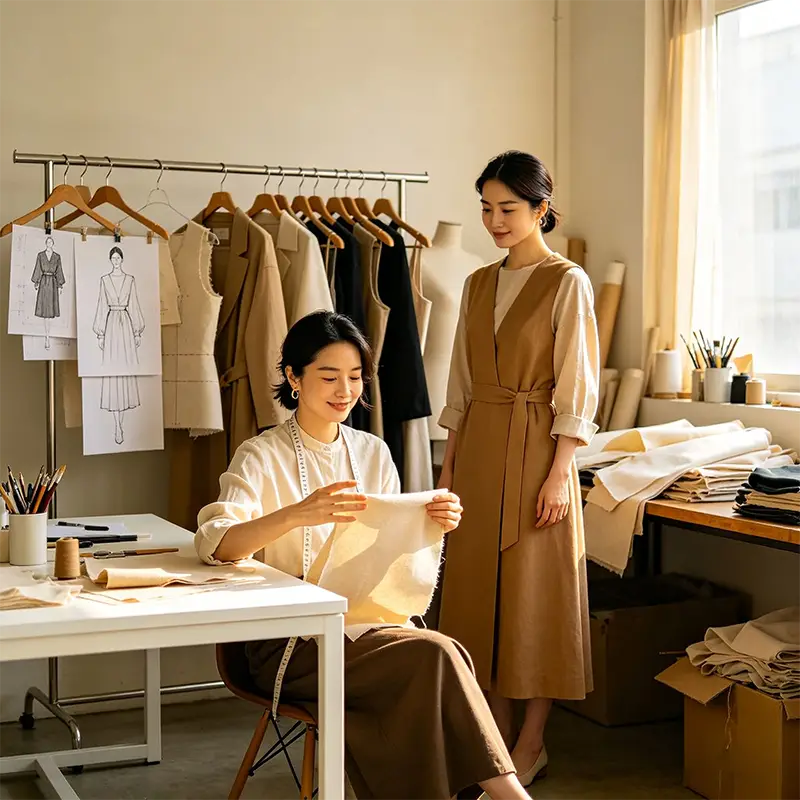
A custom streetwear manufacturer is more than a sewing factory. For an emerging or established fashion label, the manufacturer should connect design ideas with production reality. That includes fabric recommendations, pattern adjustment, sample development, artwork placement, print testing, embroidery sampling, size specifications, trim sourcing, bulk production, inspection, packing, and shipment coordination. At Dohyee, the production model is built for global apparel brands that need custom clothing manufacturing in China. The core service pages cover custom OEM streetwear, material solutions, technics solutions, and custom accessories. These pages are important because a real streetwear drop usually needs all four: product structure, fabric, decoration, and brand finishing.Start With the Right Product Category
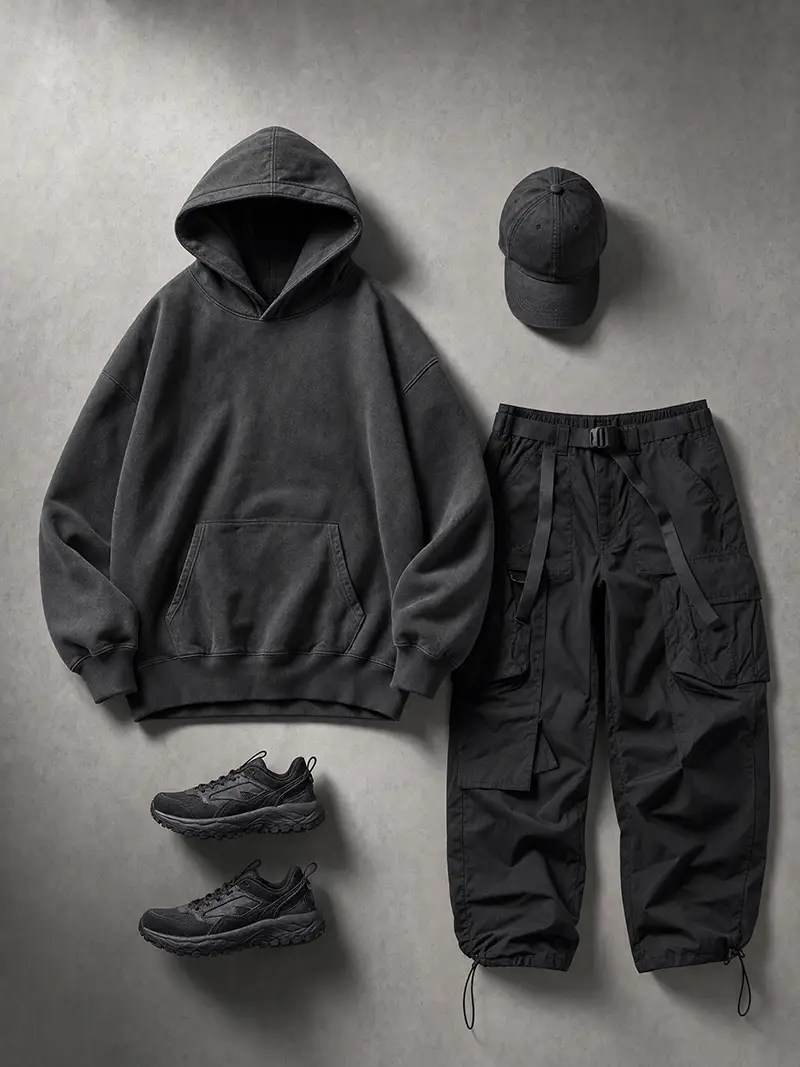
Before comparing quotes from an OEM streetwear manufacturer, define the first product category clearly. A heavyweight hoodie, a vintage washed T-shirt, and a wide-leg sweatpant may all look simple in a mockup, but they require different fabric weights, stitching details, shrinkage control, wash tests, and packaging plans.| Product category | Best for | Key decisions before quoting |
|---|---|---|
| Custom T-shirts | Brand launch drops, graphic capsules, tour merch, lifestyle basics | Fabric weight, fit, neckline, print size, wash effect, label placement |
| Custom hoodies | Premium streetwear, winter collections, oversized essentials | French terry or fleece, GSM, hood shape, zipper or pullover, embroidery, drawcord |
| Custom sweatshirts | Crewneck programs, college-inspired drops, clean logo collections | Rib quality, shoulder fit, sleeve volume, garment wash, logo technique |
| Custom sweatpants | Matching sets, athleisure, relaxed streetwear silhouettes | Waistband, pocket construction, leg opening, drawcord, inseam, wash shrinkage |

Compare Fabric, GSM, Hand Feel, and Shrinkage Before You Quote
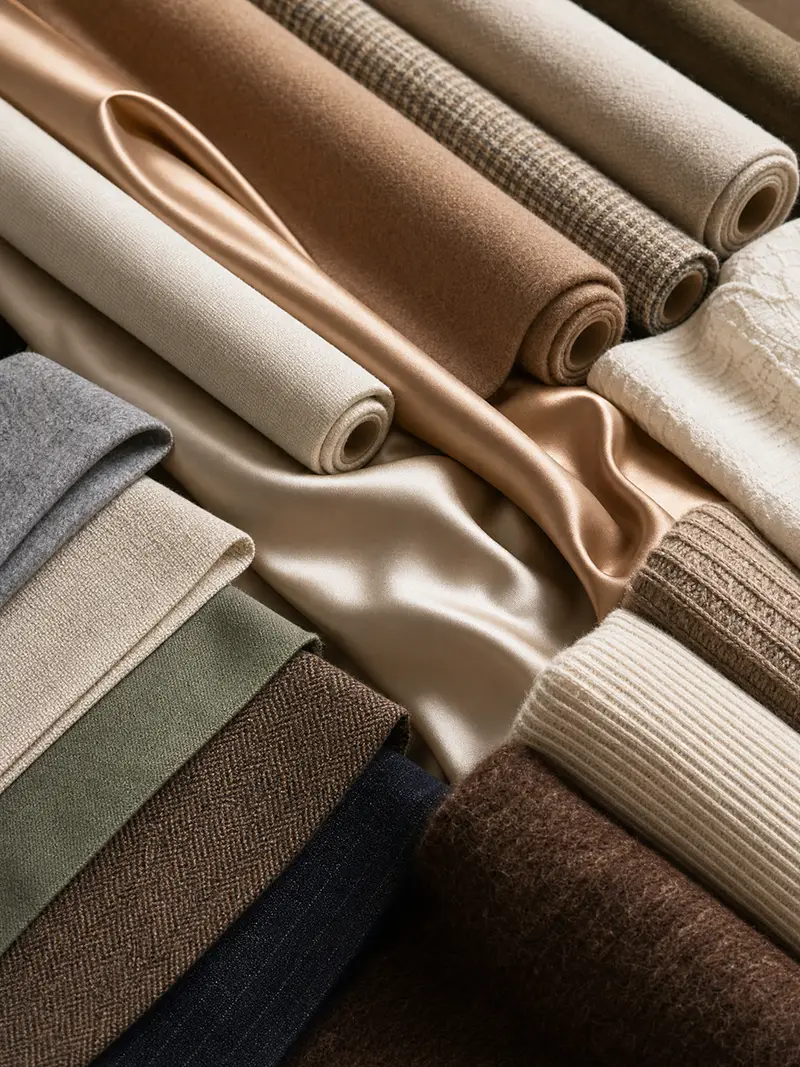
Fabric is where many streetwear projects succeed or fail. Buyers often ask for a low price first, but experienced clothing brands compare hand feel, weight, drape, pilling, color fastness, and shrinkage before approving a quotation. A custom clothing manufacturer in China should help you choose fabric based on the product, market position, and expected retail price. For example, a 220 gsm jersey may work for a summer oversized T-shirt, while a 380 gsm French terry or fleece can support a premium hoodie or sweatpant. If your brand wants sustainable or certified material claims, request documentation from the supplier. External references such as Textile Exchange standards and OEKO-TEX Standard 100 can help buyers understand common textile certification language. Dohyee's material solution page shows common options for streetwear and casual apparel, including jersey, terry, fleece, twill, polyester, corduroy, nylon, denim, waffle knit, and mesh. Use that page as an internal reference when planning the fabric direction for a collection.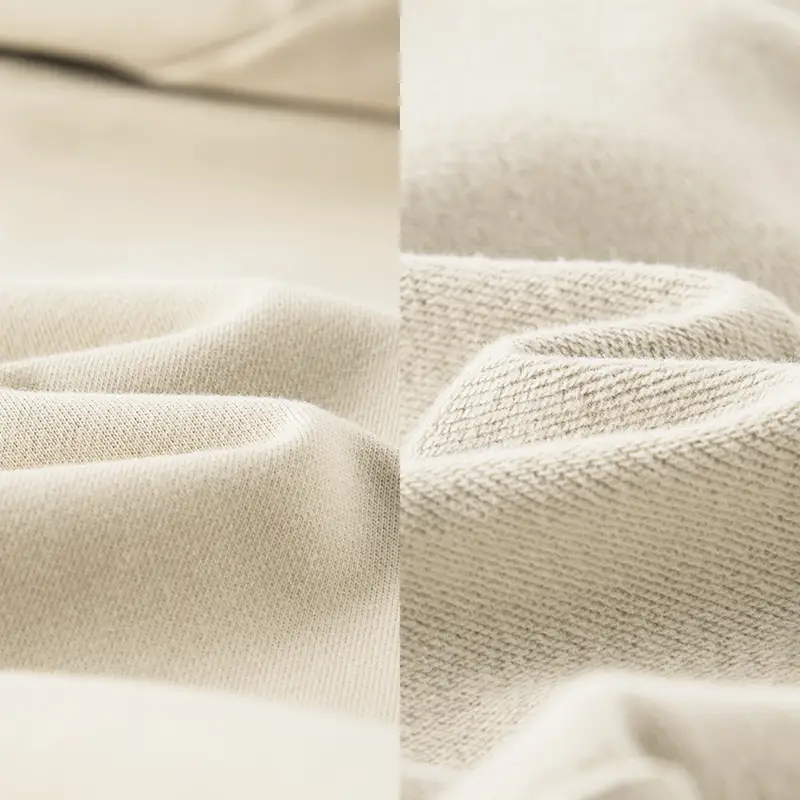
Match Decoration Techniques to Your Brand Identity
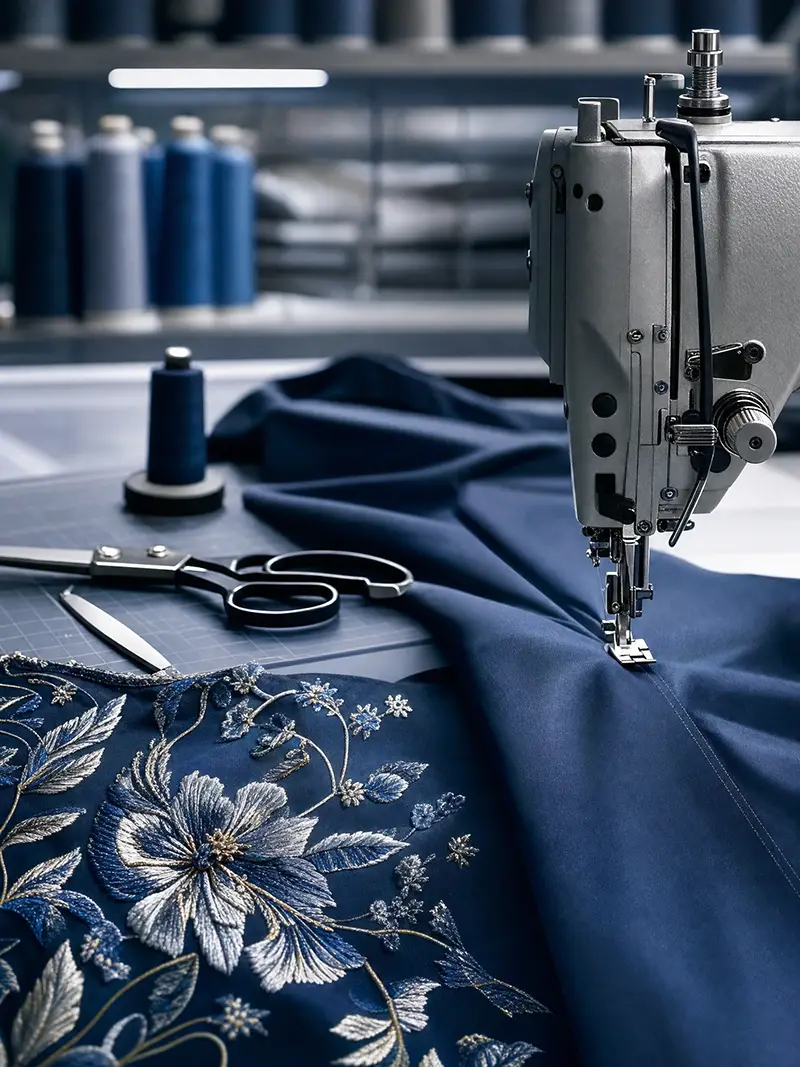
Streetwear is visual. The logo, print texture, embroidery depth, wash, and finishing details often carry the brand story. When choosing an ODM streetwear manufacturer, ask whether the team can recommend decoration methods based on artwork size, fabric content, color, stretch, and target price. Common streetwear techniques include screen printing, DTG printing, heat transfer, puff print, silicone print, rhinestone hotfix, applique embroidery, flat embroidery, 3D embroidery, embossing, debossing, and garment washing. A basic logo T-shirt may only need screen printing, while a premium drop may combine vintage wash, puff print, custom woven labels, and branded packaging. Review Dohyee's technics solution page before building your artwork file. It can help you decide whether your design is better suited for screen print, puff print, embroidery, rhinestone, applique, sublimation, heat transfer, or other apparel decoration methods.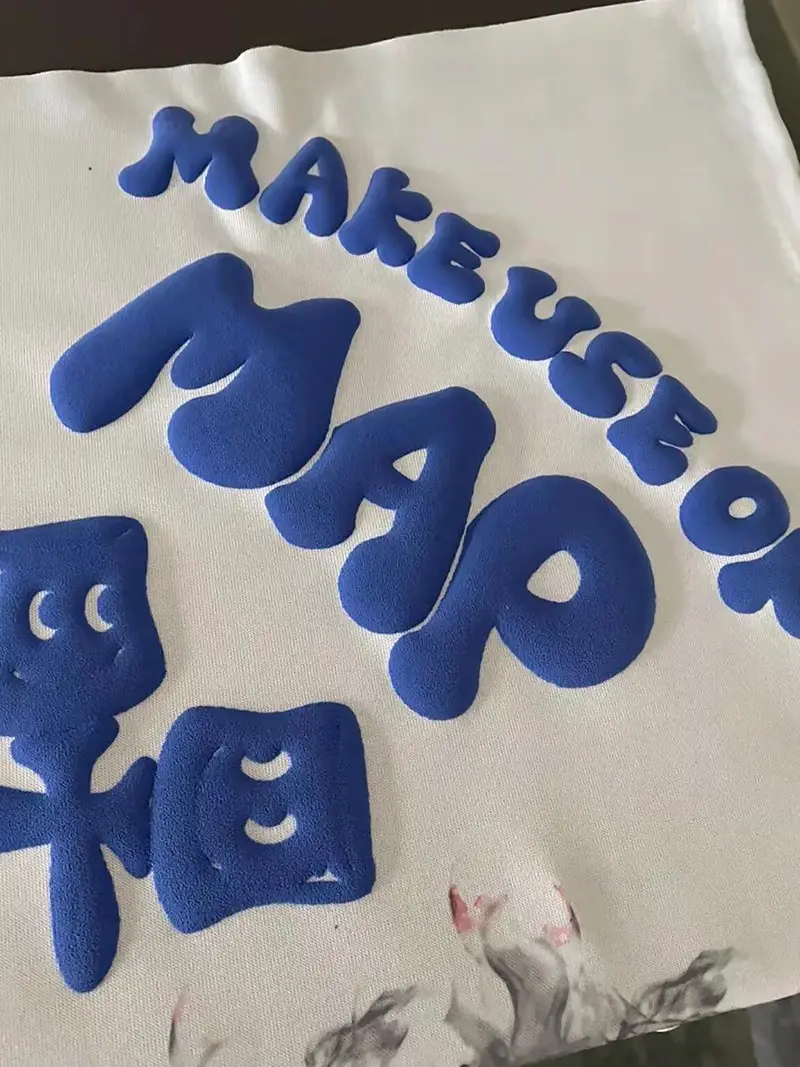
Ask About MOQ, Sampling, and Scale Before You Commit
MOQ matters because streetwear brands often test a design before scaling. A low MOQ clothing manufacturer can be useful for startup brands, capsule collections, influencer merch, and early product testing. But MOQ should not be the only decision. A very low MOQ can still become expensive if fabric sourcing, trim development, printing screens, washing, or packaging setup costs are not planned correctly. When discussing MOQ with a supplier, confirm whether the minimum applies per design, per color, per fabric, per size range, or per decoration method. Also ask whether the same blank body can be used across multiple colorways or whether different fabric lots will create color and shrinkage differences.
Buyer tip: If you are sourcing from the United States, Canada, the United Kingdom, Europe, Australia, or the Middle East, ask the manufacturer to quote sample cost, bulk unit cost, packaging cost, and shipping method separately. This gives you a clearer landed-cost view before placing a custom streetwear order in China.
Prepare a Tech Pack Before Requesting a Final Quote
A tech pack turns a creative idea into production instructions. It reduces misunderstanding and helps the manufacturer quote accurately. Dohyee has already published a guide explaining what a tech pack is. For a custom streetwear order, your tech pack should include:- Flat sketches or reference photos for front, back, side, hood, sleeve, and pocket details
- Fabric composition, target GSM, hand feel, and color reference
- Measurement chart with tolerance for each size
- Artwork files with size, placement, Pantone color, and technique notes
- Label, hang tag, packaging, barcode, carton, and polybag requirements
- Sample approval comments and bulk production changes
Build Quality Control Into Every Step
Quality control should begin before bulk production. For custom hoodies, T-shirts, sweatshirts, and sweatpants, the most common problems are shrinkage, color inconsistency, print cracking, embroidery puckering, loose thread, twisting seams, incorrect labels, and size tolerance issues. Before bulk production, approve a fit sample or pre-production sample. During production, confirm fabric lot, cutting, sewing, decoration, washing, ironing, packaging, and carton marks. Before shipment, request final inspection photos or a third-party inspection if your order size requires it. Buyers that require social compliance documentation can also learn from external programs such as the WRAP certification program.Use Custom Accessories to Make the Product Feel Like a Brand
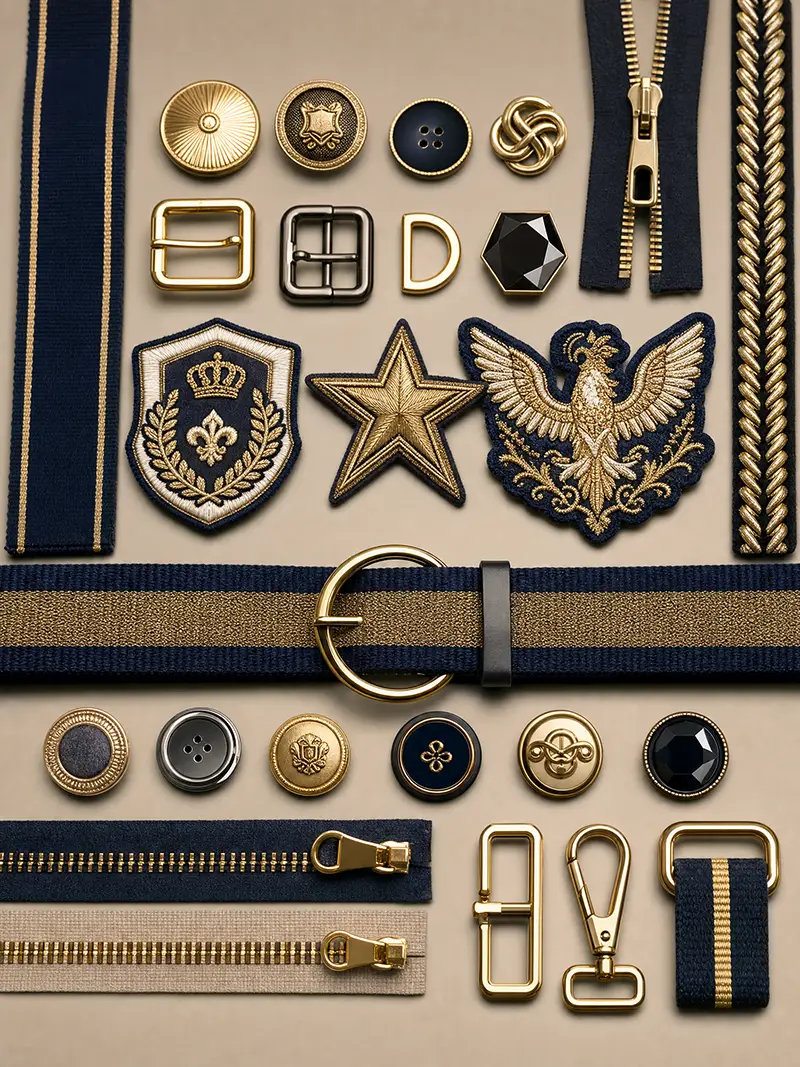
Streetwear buyers notice the details. A clean neck label, woven size label, branded hang tag, zipper pull, drawcord tip, metal eyelet, packaging bag, or care label can make a basic garment feel retail-ready. For private label orders, discuss accessories early because labels and packaging may need their own MOQ, artwork approval, and production time. Dohyee's custom accessories page shows options such as woven labels, hang tags, packaging bags, zippers, grommets, and buttons. These are useful internal links for any article targeting private label streetwear manufacturing.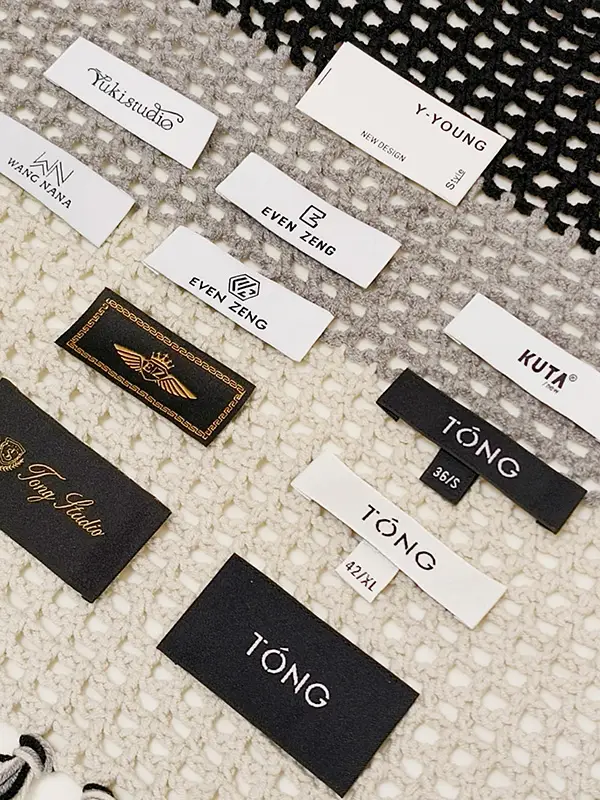
Why Source Custom Streetwear From China?
China remains a strong sourcing destination for custom apparel because the supply chain is deep: fabric markets, dyeing and washing resources, printing and embroidery workshops, trim suppliers, packaging vendors, and export logistics can work together in one production ecosystem. For brands that need OEM/ODM support, this can shorten development time and make complex streetwear details easier to coordinate. Dohyee is based in China and serves global apparel buyers looking for flexible custom clothing production. If your search intent is custom streetwear manufacturer China, Guangdong apparel manufacturer, custom hoodie manufacturer, or custom T-shirt manufacturer, the best next step is to prepare your design references, expected quantity, target retail market, and launch timeline before contacting the supplier.Custom Streetwear Manufacturer Checklist
Use this checklist before choosing a supplier for your next streetwear drop:
- Can the manufacturer develop both samples and bulk orders?
- Does the factory understand oversized, cropped, boxy, wide-leg, vintage wash, and matching set silhouettes?
- Can it source jersey, French terry, fleece, twill, denim, mesh, and other streetwear fabrics?
- Can it support screen printing, puff print, DTG, heat transfer, embroidery, rhinestone, applique, and wash effects?
- Is MOQ clear by design, color, fabric, and size?
- Are labels, hang tags, packaging, zipper pulls, drawcords, and trims included in the quote?
- Does the supplier provide sample comments, measurement checks, and pre-shipment QC support?
- Does the communication team understand export orders for your target country?