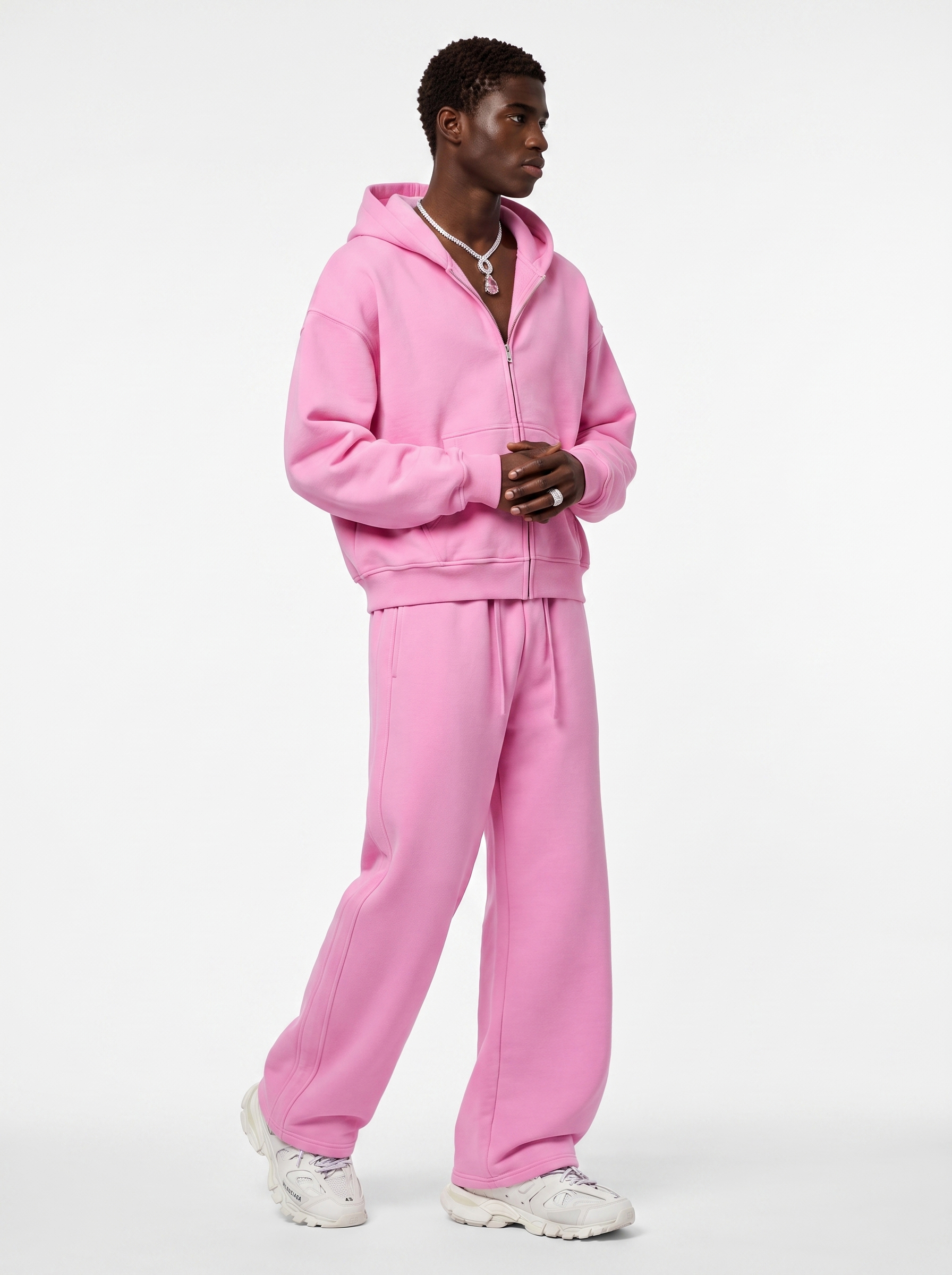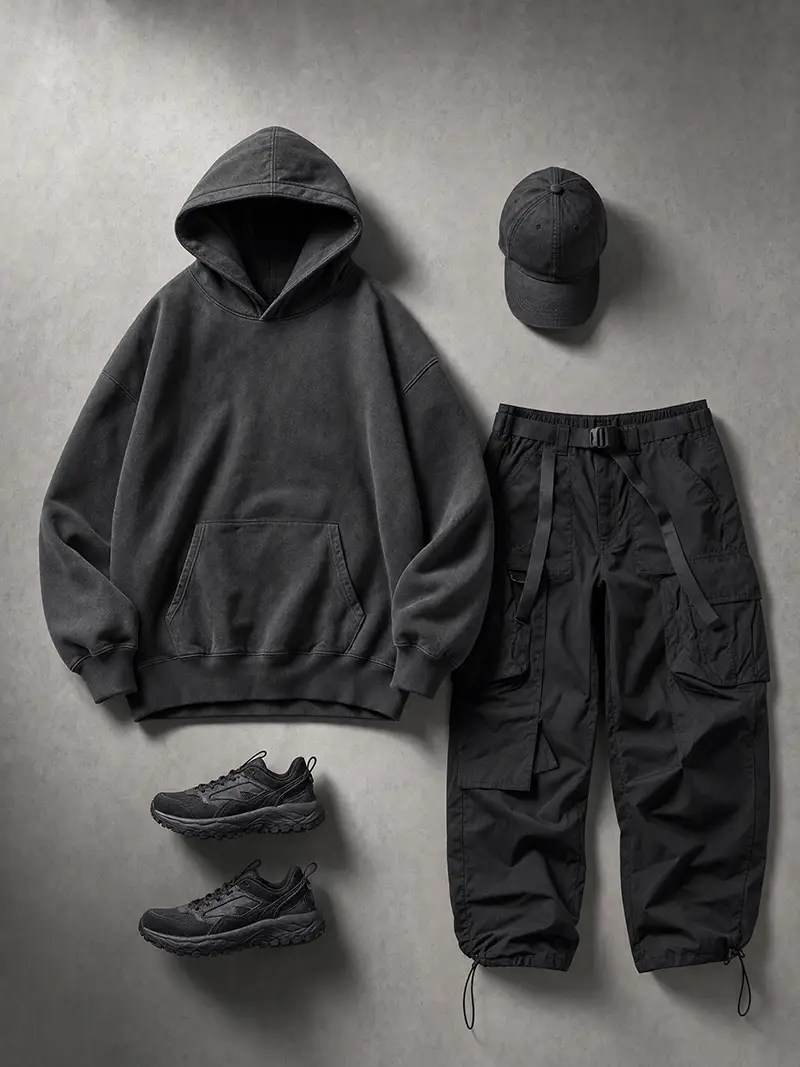
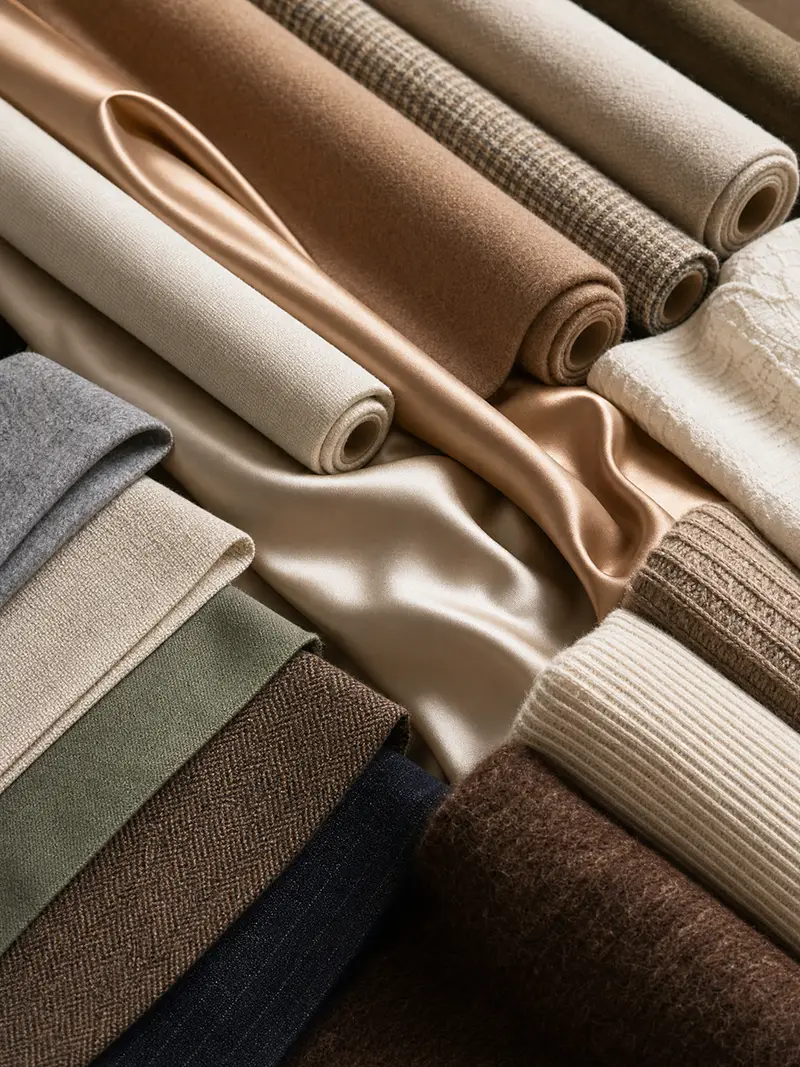
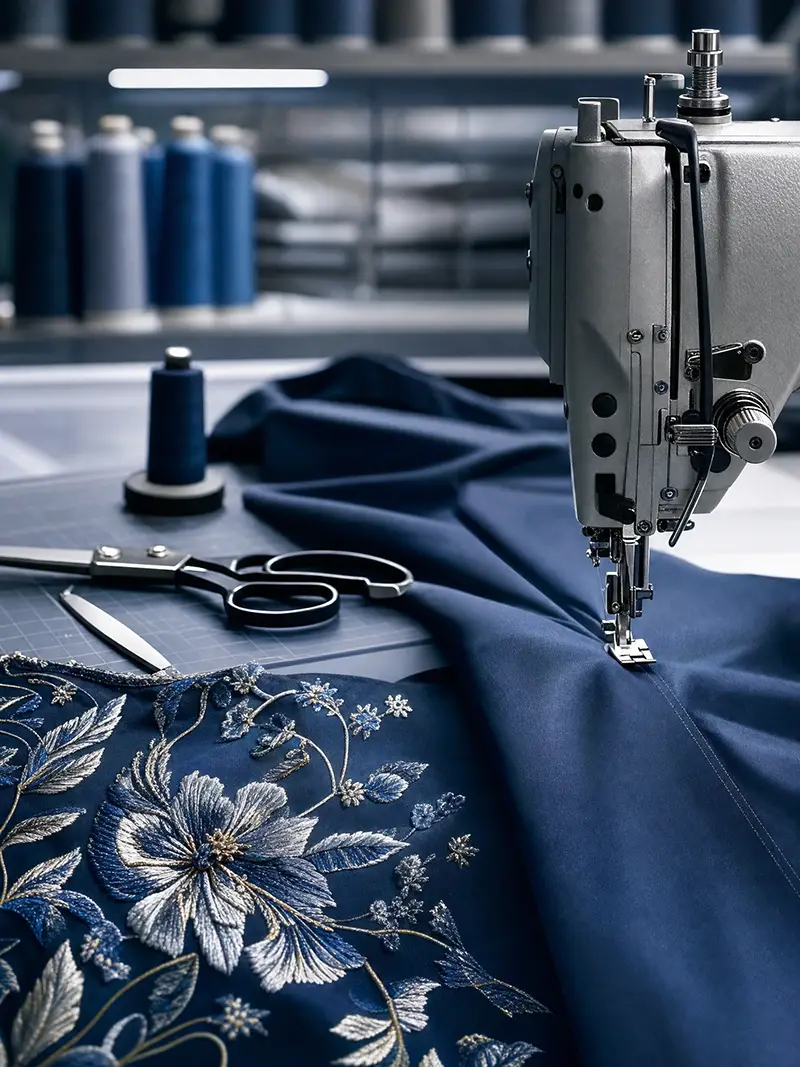
Hoodie manufacturing process control starts before any fabric is cut. The factory needs one approved product definition, one material standard, one measurement specification, and one decision trail that can be followed from the first sample to the last packed carton.
Quick answer: A custom hoodie normally moves through product briefing, technical specification, fabric and trim approval, pattern making, sampling, pre-production approval, material inspection, marker making and cutting, decoration, sewing, washing or finishing, final inspection, and packing. The order of decoration and washing can change, so the approved process route matters as much as the design.
This guide describes a cut-and-sew workflow. It does not assume that every factory uses the same machines, sample names, lead times, minimum order quantity, inspection level, or acceptance limits.
The 12-Step Hoodie Manufacturing Process at a Glance
| Step | Main output | Approval owner | Risk if skipped |
|---|---|---|---|
| 1. Product brief | Commercial and design requirements | Brand | Wrong scope or quote |
| 2. Tech pack | Controlled product specification | Brand and factory | Production guesses |
| 3. Materials | Approved fabric, rib, trims, and colors | Brand, mill, factory | Hand, shade, or performance mismatch |
| 4. Pattern and grading | Production pattern by size | Pattern and fit teams | Incorrect fit or size progression |
| 5. Samples | Approved fit and construction | Brand | Bulk repeats unresolved defects |
| 6. Material inspection | Released lots and shade groups | Factory quality team | Mixed shade or defective fabric |
| 7. Cutting | Counted, bundled garment panels | Cutting room | Panel mismatch or shortage |
| 8. Decoration | Approved printed or embroidered parts | Decoration and quality teams | Placement or color error |
| 9. Sewing | Assembled hoodies | Line and inline QC | Seam, symmetry, or measurement defects |
| 10. Wash and finish | Final hand, shade, and appearance | Laundry and finishing teams | Shrinkage or visual variation |
| 11. Final QC | Released finished lot | Factory, buyer, or third party | Defects reach customers |
| 12. Packing | Traceable cartons and shipping records | Packing and logistics teams | Assortment or delivery errors |
Step 1: Convert the Design Idea into a Production Brief
The brief should define the customer, use case, target retail season, pullover or zip-up construction, fit direction, quantity, size range, colors, destination market, price position, delivery requirement, and any testing or compliance needs. Reference images are useful when each one is annotated: hood shape from image A, body proportion from image B, and wash character from image C.
Do not request “1,000 pieces” without a color and size breakdown. An illustrative order matrix might contain 600 black and 600 grey hoodies, each divided into XS through XXL. The total is still 1,200, but the matrix reveals whether fabric dye lots, rib colors, labels, artwork screens, packing assortments, and low-volume sizes affect feasibility.
Step 2: Build a Factory-Ready Tech Pack and BOM
The hoodie tech pack should identify the style and revision; show front, back, and critical details; define measurements, grading, and tolerances; and specify construction, artwork, labels, packaging, tests, and approval status. The bill of materials, or BOM, lists every physical input from shell fabric and rib to thread, zipper, eyelets, drawcord, labels, bag, sticker, and carton.
Use revision control. A change to hood depth, zipper length, artwork width, or fabric code must carry a date, editor, reason, and approval. “Final” in a filename is not sufficient. The factory should know which revision controls the sample, purchase order, cutting plan, sewing line, and inspection.
Step 3: Approve Fabric, Rib, Trims, Color, and Performance
A fabric name is only a starting point. Specify composition, construction, finished GSM, usable width, color process, face and reverse, hand, stretch, recovery, shrinkage, pilling, and required tests. Compare the French terry and fleece structures before selecting the reverse finish, and use the hoodie GSM guide to connect weight with drape and silhouette.
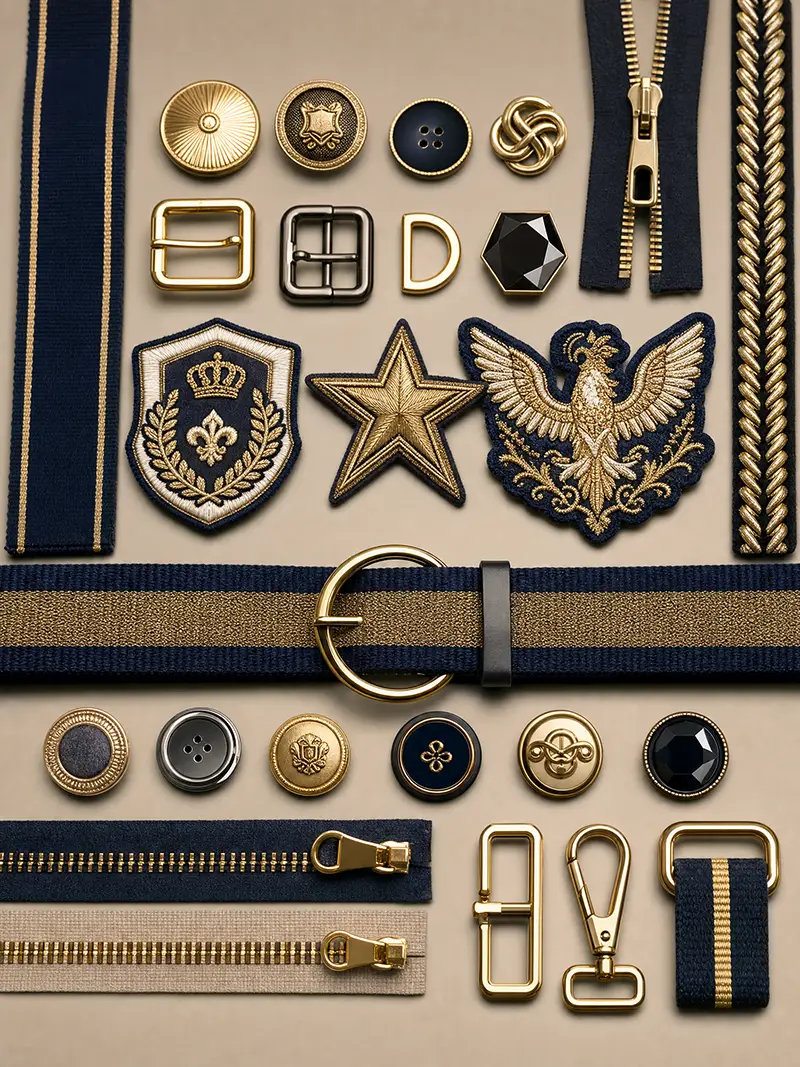
Approve a coded physical swatch and a lab dip or color standard. Check rib against the body fabric after the intended wash. Confirm zipper tape, teeth, slider, drawcord, eyelets, thread, and labels on the same colorway. Dohyee’s fabric options and custom apparel accessories provide starting categories, but the purchase specification must identify the approved item.
Step 4: Create the Pattern, Fit Block, and Size Grading
The pattern translates the approved dimensions and shape into cut components. A pullover hoodie may include front, back, sleeves, hood panels or a hood plus lining, pocket, cuffs, and hem rib. A zip hoodie adds front divisions, zipper-related components, and possibly a guard or facing.
The pattern maker balances chest width, body length, shoulder position, armhole, sleeve shape, hood opening, hood depth, pocket position, cuff, and hem. Grading then changes these points between sizes. The increments do not have to be identical at every point. Grade rules should preserve the intended proportion rather than enlarge the entire pattern by one percentage.
Step 5: Use Samples as Controlled Decision Gates
| Sample stage | Main question | Evidence to record |
|---|---|---|
| Development sample | Can the concept be constructed? | Technical risks and open items |
| Fit sample | Does the base size meet the fit intent? | POM results, photos, fit comments |
| Size set | Does grading work across selected sizes? | Measurements and proportion review |
| Decoration strike-off | Are technique, color, scale, and hand correct? | Approved physical artwork reference |
| Pre-production sample | Does the complete production route work? | Approved materials, construction, wash, labels, packing |
The names can vary by supplier. What matters is the question each sample answers and the written disposition: approved, approved with correction, or rejected. An approval with correction must state whether the correction requires another physical sample or can be verified in production.
Step 6: Inspect and Release Bulk Materials Before Cutting
Incoming fabric should be tied to a purchase order, mill lot, dye lot, roll number, color, composition, width, and finished weight. Inspection can cover shade, hand, face and reverse appearance, holes, stains, barre, bow, skew, pilling risk, and dimensional behavior. Group rolls by approved shade where necessary and keep roll identity traceable into cutting.
CottonWorks’ garment quality control reference separates fabric quality attributes such as color, drape, hand, durability, conformance, and defects from finished-garment factors such as fit, seam integrity, shrinkage, and appearance. Releasing poor material to cutting moves the problem forward; sewing cannot repair fabric quality.
Step 7: Plan the Marker, Spread the Fabric, Cut, and Bundle
A marker arranges all pattern pieces for the required sizes and quantities within the usable fabric width. Marker yield is the share of the marker area converted into garment parts. It is a planning result, not a universal fixed percentage. Nap direction, one-way prints, stripes, shade grouping, flaws, fabric width, size ratio, and pattern geometry can all reduce utilization.
Fabric is spread according to the material and lay plan, then cut with the approved marker. Cut parts are counted, notched or drilled only where specified, identified, shade-matched, and bundled. CottonWorks explains pattern engineering, marker making, spreading, and cutting, including the relationship between marker arrangement and material utilization.
For an illustrative quantity check, if the order requires 1,200 accepted hoodies and the agreed planning yield from cut quantity to accepted packed quantity is 97.5%, the calculation is 1,200 / 0.975 = 1,230.77, rounded up to 1,231 cut sets. This is not a recommended allowance. The brand and factory must calculate the figure from style complexity, material risk, repair policy, prior data, and contract terms.
Step 8: Choose the Correct Decoration Stage
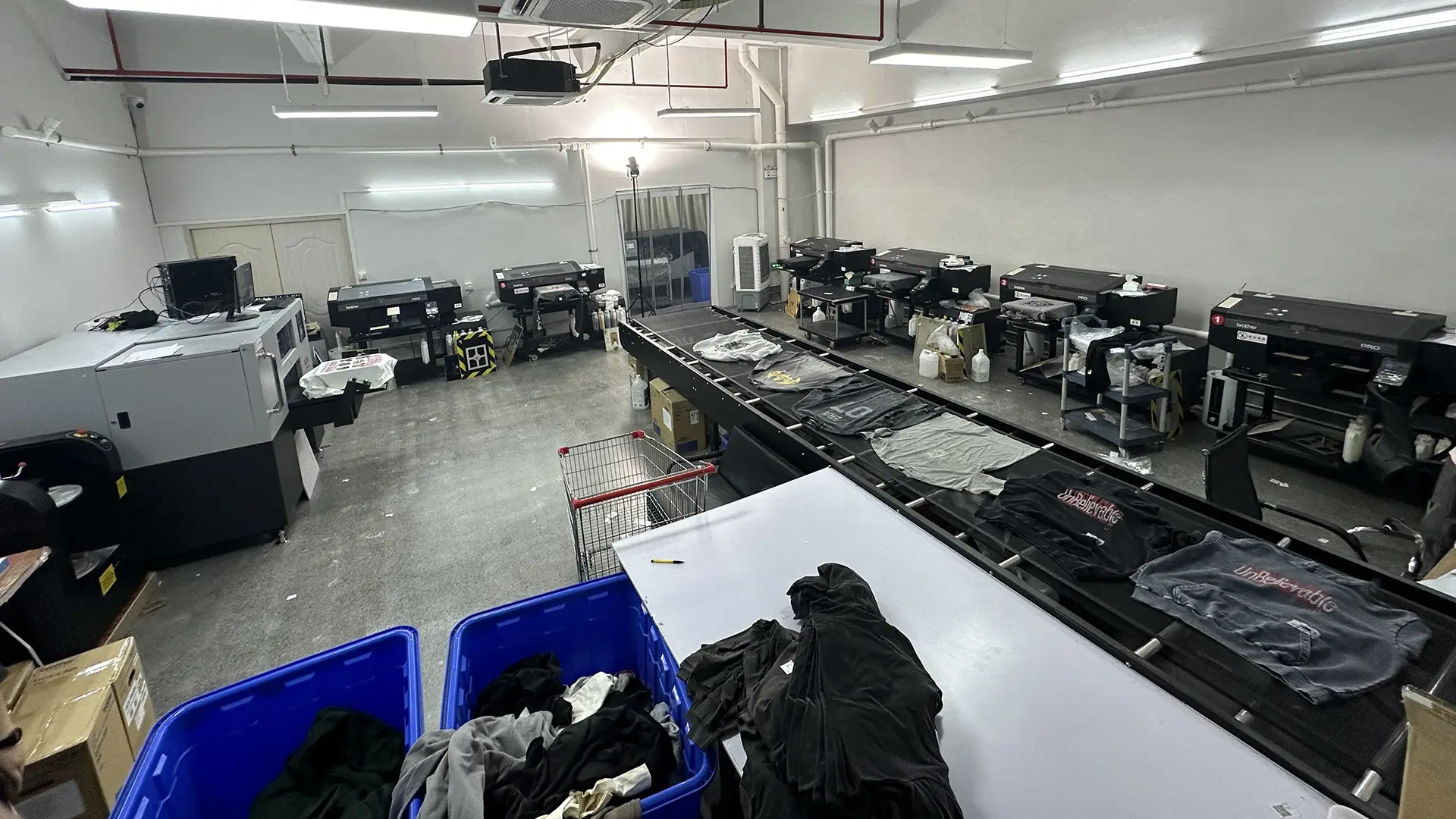
Large screen prints, embroidery, applique, heat transfer, DTG, and silicone effects may be applied to flat panels or completed garments. Flat-panel decoration can provide better access and positioning for some designs. Finished-garment decoration can reduce handling of decorated panels but may create access, platen, seam, pocket, or hoop limitations.
The artwork specification should include final dimensions, coordinates from stable reference points, colors, files, technique, underbase or backing where relevant, appearance criteria, and the approved strike-off. The screen printing vs embroidery guide compares these routes in detail.
Step 9: Assemble the Hoodie with Defined Seams and Stitches
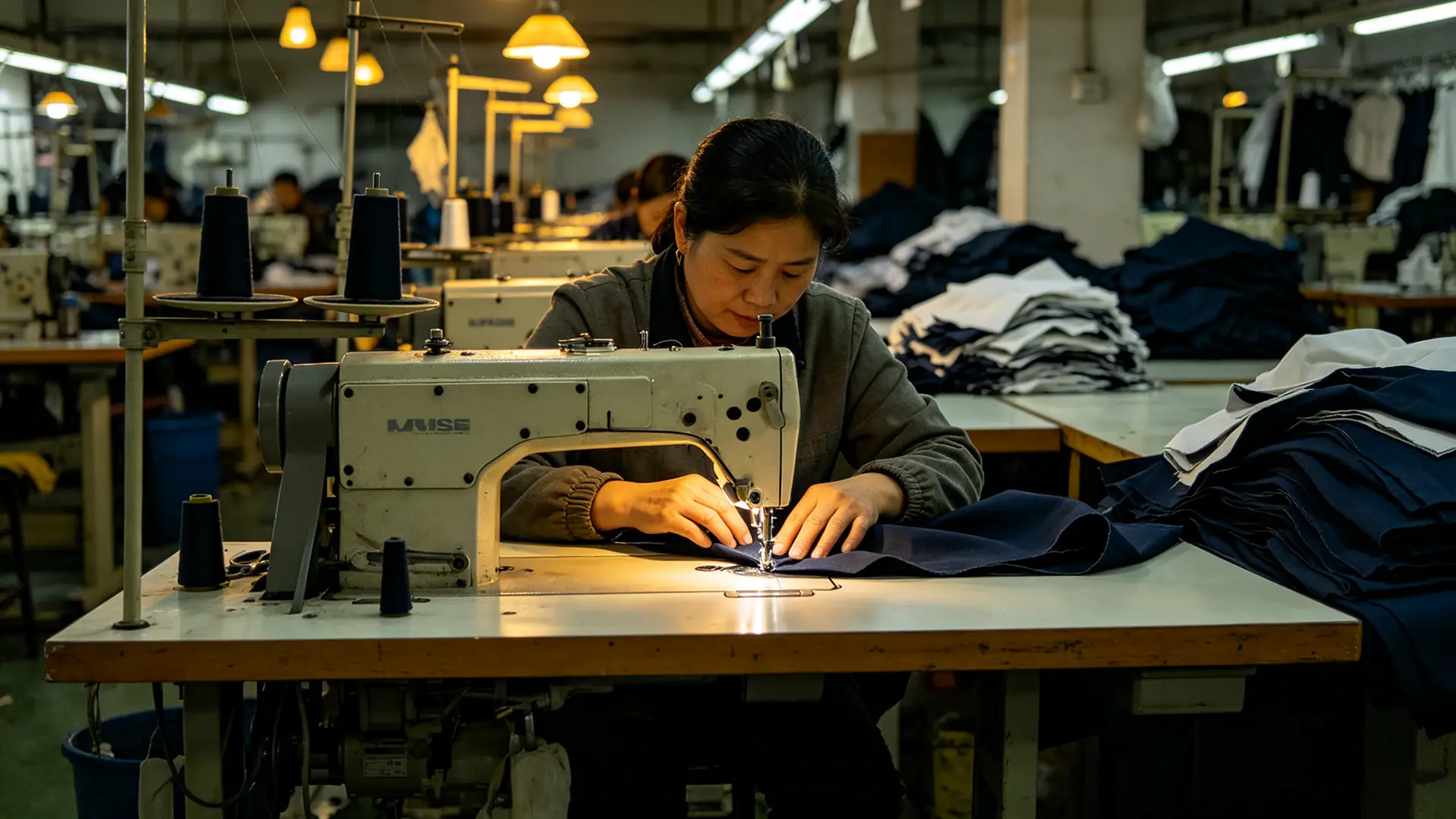
One possible pullover sequence is to close shoulder seams, prepare and attach the hood, apply neck tape where specified, construct and attach the pocket, set sleeves, close sleeve and side seams, and attach cuffs and hem rib. A factory may change the order to suit equipment, construction, quality controls, or decoration timing.
Specify the seam type, stitch type, thread, needle, seam allowance, edge finish, reinforcement, and appearance where they affect the product. ASTM D6193-16(2025) explains that seam engineering depends on the relationship among stitch, seam, thread, fabric, and required performance. ISO 4915:1991 provides classification and terminology for stitch types.
Inline inspection should catch skipped stitches, open seams, puckering, seam grin, broken thread, asymmetric pockets, twisted sleeves, uneven ribs, zipper waves, and measurement drift before the entire order is completed.
Step 10: Wash, Finish, Dry, Press, and Condition
Garment dyeing, pigment dyeing, enzyme washing, acid or snow effects, spray treatments, softening, and other finishes can alter shade, hand, measurements, seams, prints, trims, and the fabric reverse. Even an unwashed hoodie may require thread trimming, stain removal, controlled pressing, and conditioning.
Approve the process sequence on a complete sample. Measure before and after the specified treatment. ISO 3759:2011 covers preparation, marking, and measurement for dimensional-change testing. Dohyee’s garment washing guide explains how to control shade, abrasion, hand, and repeatability.
Step 11: Perform Final Inspection Against Approved Evidence
Final inspection should use the purchase order, current tech pack, approved pre-production sample, measurement table, shade references, artwork strike-off, label files, packing instructions, and test requirements. Separate defects into agreed categories and record their location, frequency, disposition, and corrective action.
If the contract uses acceptance sampling, the buyer and supplier must agree the lot definition, inspection level, AQL, sample plan, defect classification, and switching rules. ISO 2859-1:2026 defines AQL-indexed sampling schemes for lot-by-lot inspection. It does not choose the buyer’s limits or make every sampled lot risk-free.
| Inspection area | Examples of evidence |
|---|---|
| Identity | Style, color, size, PO, lot, barcode |
| Measurements | Defined POM method, tolerance, sample results |
| Appearance | Shade, stains, holes, symmetry, pressing, wash character |
| Construction | Seams, stitches, reinforcement, zipper, pocket, hood, rib |
| Decoration | Technique, placement, dimensions, color, adhesion, puckering |
| Labels and packing | Content, care, origin, size, placement, bag, sticker, assortment |
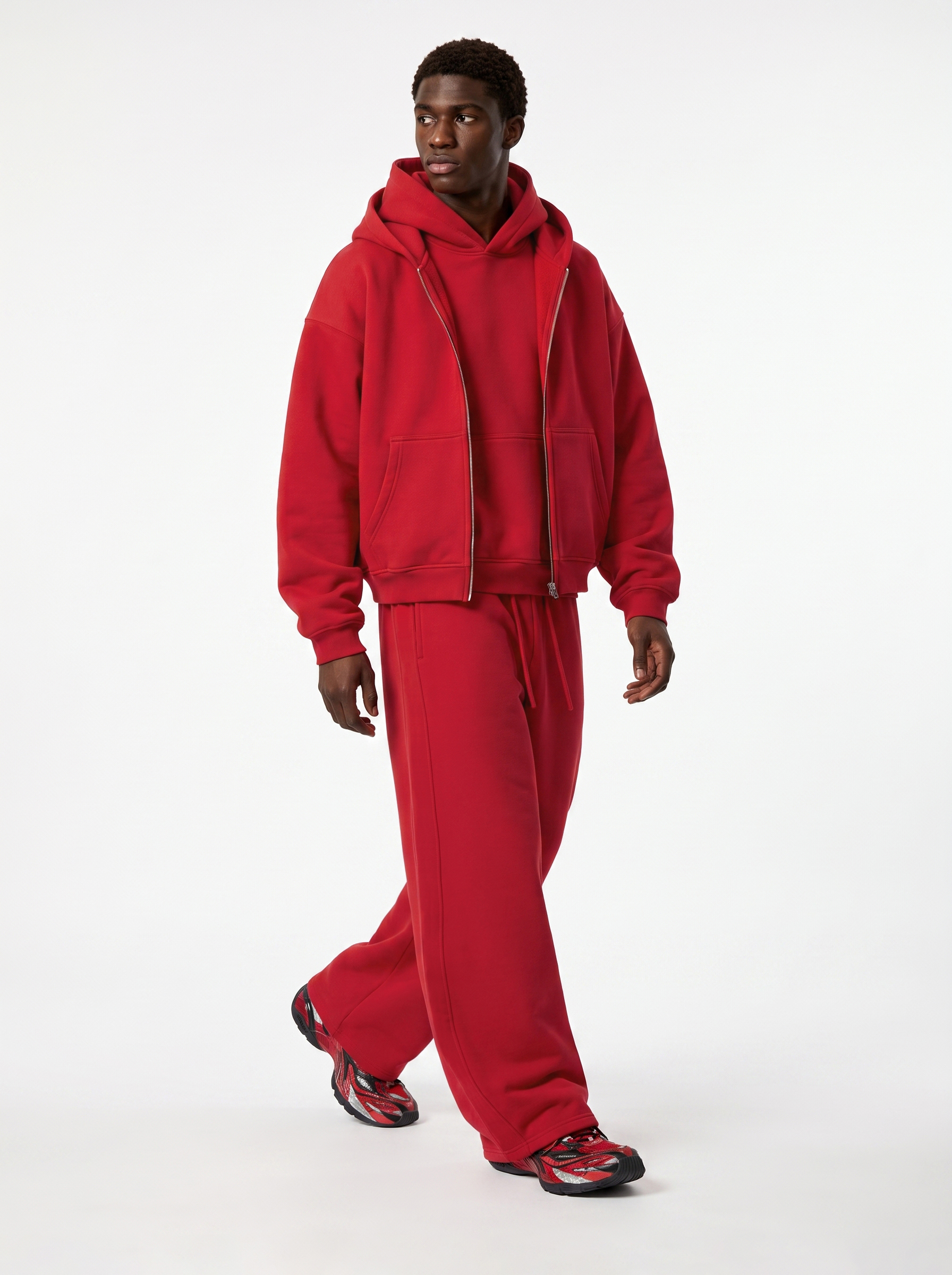
Step 12: Label, Fold, Pack, Carton, and Release Shipment
Confirm main label, size label, care label, country-of-origin marking, hangtag, barcode, folding method, tissue or insert, bag, warning text where required, sticker position, size-color assortment, carton dimensions, carton weight, carton marks, and carton numbering. Keep a packing list that reconciles ordered, inspected, packed, short, over, repaired, and rejected quantities.
Market requirements vary. For the United States, the FTC Textile Fiber Rule and Care Labeling Rule are primary starting references. The buyer remains responsible for confirming requirements in every destination market.
How to Control the Critical Path and Production Timeline
A reliable timeline works backward from the required delivery date and shows dependencies rather than one optimistic total. Fabric cannot be released before color and performance approval. Cutting should not start before the production pattern and material lots are released. Sewing cannot finish before delayed zippers or labels arrive. Final inspection cannot close while testing, repairs, or packing records remain open.
Track planned date, actual date, owner, input, output, approval status, and impact for every gate. Ask the custom hoodie manufacturer which operations are in-house, subcontracted, or mill-controlled, because handoffs affect both evidence and schedule.
Pre-Production Approval Checklist
- Purchase order and color-size matrix are final.
- Current tech pack revision matches the approved sample.
- Shell, rib, trims, labels, artwork, and packaging are approved.
- Production pattern, grading, marker assumptions, and measurement tolerances are released.
- Wash, decoration, sewing, and finishing sequences are documented.
- Tests, methods, laboratories, reports, and acceptance criteria are assigned.
- Bulk shade, roll, cut-panel, inline, final, and packing controls have owners.
- Substitution and change approval require written authorization.
- Shipment date, logistics terms, documents, and destination requirements are confirmed.
Hoodie Manufacturing Process FAQ
How are custom hoodies manufactured?
Custom hoodies move from a product brief and tech pack through material approval, pattern making, sampling, cutting, decoration, sewing, finishing, inspection, and packing. The exact route changes with pullover or zip construction, artwork, wash, trims, and factory setup.
Should printing happen before or after hoodie sewing?
Either route can be correct. Flat-panel printing can improve access for large artwork, while finished-garment printing can reduce handling of decorated panels. Placement, equipment, seams, pockets, fabric, curing, and wash sequence determine the route.
What is the difference between a sample and a pre-production sample?
An early sample may test concept or fit. A pre-production sample should represent the approved production materials, pattern, construction, decoration, wash, labels, and packaging closely enough to authorize bulk work.
How long does hoodie manufacturing take?
There is no universal duration. Fabric development, dyeing, trims, sample rounds, testing, order quantity, capacity, decoration, washing, repairs, holidays, and freight all affect the critical path. Request a dated milestone plan for the actual style.
How many hoodies should a factory cut for an order?
The cut quantity depends on the ordered quantity and an agreed allowance based on expected process loss, repair, replacement, and shipment rules. It should be calculated and authorized, not copied from a universal percentage.
What causes hoodie measurements to change in bulk production?
Fabric lot behavior, relaxation, cutting accuracy, seam allowance, operator handling, rib tension, washing, drying, pressing, and measurement method can all contribute. Inline measurement data helps identify drift before final inspection.
Does passing AQL mean every hoodie is defect-free?
No. Acceptance sampling estimates lot quality from a defined sample and decision rule. It does not inspect every unit or remove all buyer and supplier risk.
What should a brand send a hoodie manufacturer first?
Send the design or reference, target customer and fit, quantity by color and size, fabric direction, artwork, labels, packaging, destination market, tests, target delivery, and a tech pack if available. Clearly mark any open decisions.
Primary References
- CottonWorks: Garment Construction – pattern engineering, marker making, spreading, cutting, seams, stitches, thread, and trims.
- CottonWorks: Garment Quality Control – fabric and finished-garment quality attributes.
- ASTM D6193-16(2025) and ISO 4915:1991 – seam engineering and stitch terminology.
- ISO 3759:2011 – preparation, marking, and measurement for dimensional-change testing.
- ISO 2859-1:2026 – AQL-indexed lot-by-lot sampling schemes.
- FTC Textile Fiber Rule and FTC Care Labeling Rule – U.S. labeling references.
Plan a Custom Hoodie Production Run with Dohyee
A controlled hoodie manufacturing process begins with usable information. Prepare the product brief, tech pack, quantity matrix, fabric direction, decoration files, labels, packaging, destination, tests, and target delivery. Review Dohyee’s OEM streetwear manufacturing service and the streetwear manufacturer evaluation guide before requesting a sample and quotation.
Internal contact: Submit the project through the Dohyee contact page.