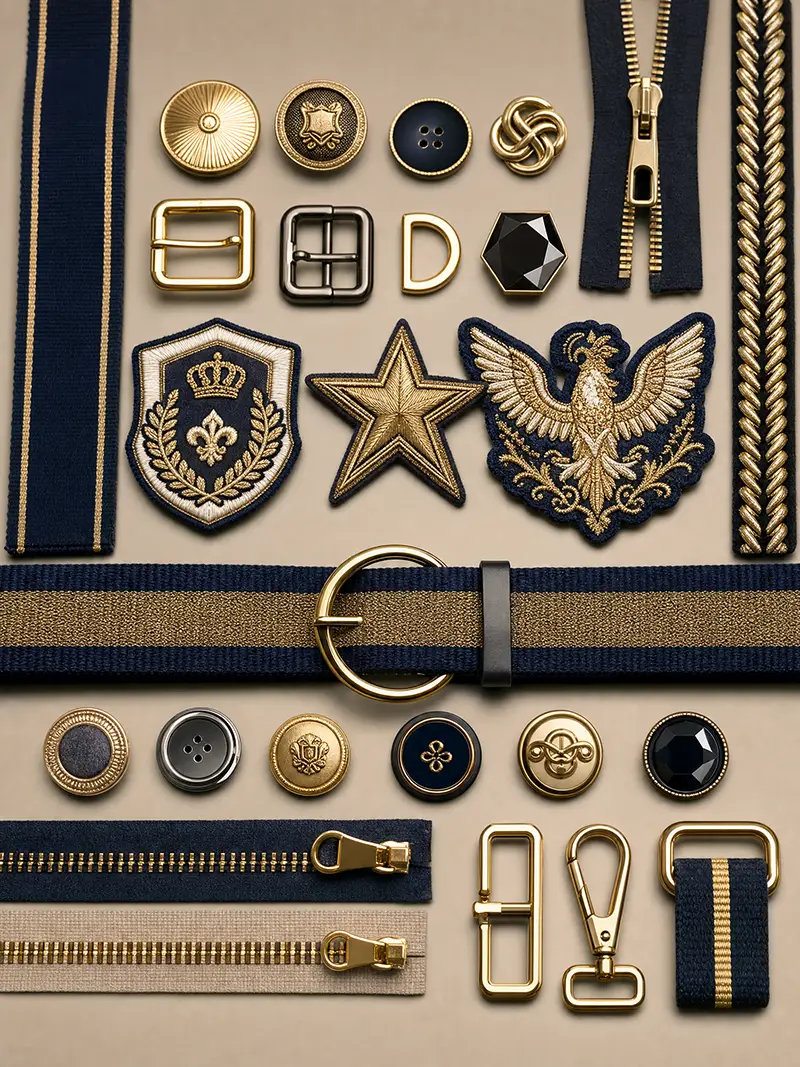
Custom clothing labels and packaging are part of the garment development process, not details to add after production is finished. Labels communicate identity and product information; trims affect daily use; packaging protects the item and carries fulfillment data. When these components are specified early, a private label brand can control appearance, compliance, cost, and delivery with fewer last-minute changes.
Quick answer: Give the supplier a component schedule showing the artwork, dimensions, material, color, finish, placement, quantity, attachment method, packing method, and approval standard for every label, hang tag, zipper, drawcord, eyelet, bag, and carton mark. Approve physical samples with the garment, then inspect bulk accessories against dated references.
| Component group | Main purpose | Approval evidence |
|---|---|---|
| Brand labels | Brand identity, size, collection, and product presentation | Artwork proof and physical label sample |
| Required information | Fiber, origin, responsible company, and care information where applicable | Market-reviewed text and approved production proof |
| Hang tags and stickers | Retail story, SKU, size, color, price, and barcode data | Printed proof and scannable data check |
| Functional trims | Closure, adjustment, reinforcement, and usability | Trim sample tested on the garment |
| Packaging | Protection, presentation, handling, and fulfillment | Packed-garment sample and carton test pack |
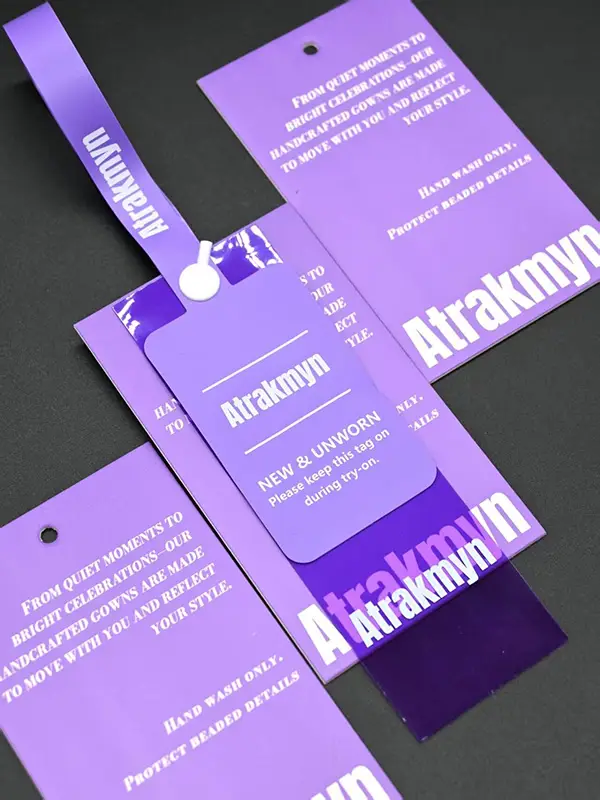
How to Plan Custom Clothing Labels and Packaging
A reliable custom clothing labels and packaging specification separates brand presentation, required product information, functional trims, and packing instructions. Each component needs its own reference code, artwork, dimensions, material, color, attachment method, and approval status.
Separate Brand Details From Required Product Information
Brand details include a main label, size tab, collection label, patch, hang tag, branded drawcord, zipper pull, sticker, tissue, or printed bag. Required product information depends on the garment and selling market. It may include fiber composition, country of origin, responsible business identity, and care instructions.
Do not force every message onto one small label. A practical label system may use a main brand label plus a separate care and content label. The layout should remain readable after sewing and laundering. Confirm which party is responsible for reviewing the wording: the factory can reproduce approved content, but the brand or importer remains responsible for the claims and destination-market requirements.
Internal link: Review Dohyee’s custom apparel accessories manufacturing options for labels, hang tags, packaging, drawcords, zippers, and hardware.
Choose Woven, Printed or Heat-Transfer Labels by Use
| Label type | Useful for | What to check |
|---|---|---|
| Woven label | Main branding, sizes, and durable identity details | Yarn color, edge, fold, density, fine-text clarity, and skin contact |
| Printed satin or nylon label | Care instructions, fiber content, origin, and longer text | Legibility, ink durability, softness, edge finish, and wash result |
| Heat-transfer label | Tagless neck branding and lightweight garments | Adhesion, stretch, cracking, color migration, and care compatibility |
| Patch or badge | Visible exterior branding and collection identity | Material, color, edge, attachment, backing, and garment distortion |
Choose label construction according to information density, skin contact, garment fabric, wash process, and brand position. Very small woven text can lose clarity, while a stiff folded label may irritate the wearer. A heat transfer tested on one fabric may behave differently on another surface or after garment washing.
Specify finished dimensions, fold type, seam allowance, orientation, attachment method, thread color, and exact placement from stable garment points. Approve the label both flat and sewn into the production-quality garment.
Internal link: Compare heat transfer, printing, embroidery, and other application methods on Dohyee’s technics solutions page.
Build Care and Fiber Labels From Verified Information
Prepare label text only after fabric composition, garment construction, finishing, and care testing are confirmed. Care instructions should reflect a process the finished garment can tolerate. A body fabric, rib, print, metal component, or decoration may create a restriction that is not obvious from the main fabric alone.
Internal link: Check the confirmed garment composition against Dohyee’s custom apparel fabrics options before approving fiber and care-label text.
External U.S. reference: The FTC Textile Fiber Rule covers fiber percentages, business identity, and country-of-origin information for covered textile products. The FTC also provides a Care Labeling Rule guide for covered apparel.
External EU reference: The European Union’s official textile-label guidance explains fiber-composition labeling and language considerations for products marketed in EU countries.
External care-symbol reference: ISO 3758:2023 establishes a care-labeling system using symbols. Verify the destination-market requirements and permitted symbol system before final artwork approval.
Design Hang Tags as Controlled Retail Data
A hang tag can carry brand story, product name, collection, material statement, size, color, SKU, price, barcode, website, and care reminder. Treat changing retail data separately from permanent artwork. This allows one brand design to support multiple styles while variable fields are generated from an approved product-data file.
Create a data table that maps each style, color, and size to its SKU and barcode. Check printed samples against the table and scan representative codes before packing. Define card dimensions, paper or other material, thickness, print colors, coating, embossing, foil, die cut, hole location, string, seal, and garment attachment point.
A premium finish is not automatically a better finish. Dark uncoated stock may reduce barcode contrast, heavy tags can damage lightweight fabric, and metal pins may be unsuitable for some garments or markets. The packed product should be reviewed as one retail unit.
Specify Zippers, Drawcords, Eyelets and Metal Hardware
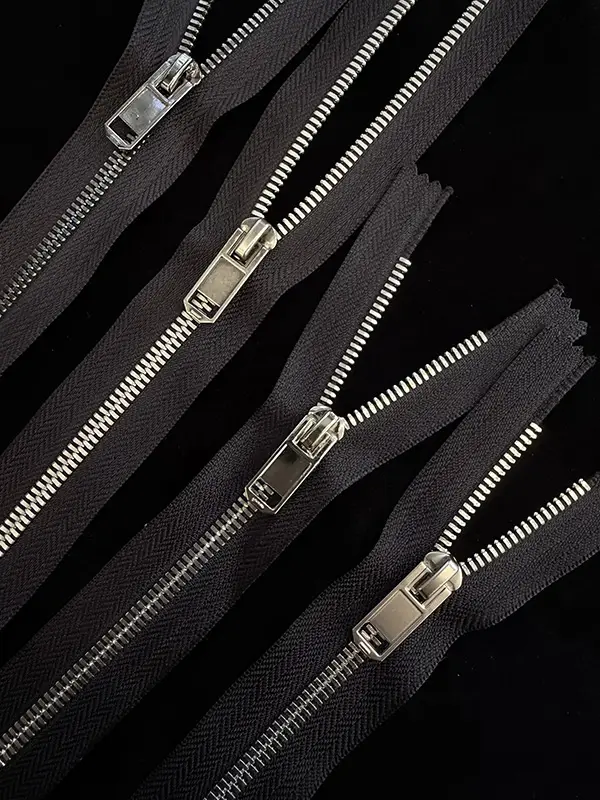
Functional trims should be described by performance as well as appearance. A zipper specification may include type, size, teeth material, tape color, length, slider, puller, end stops, opening style, and logo. Drawcord details may include fiber, weave or knit, diameter, length, tip construction, logo, color, and wash response. Eyelets and grommets need dimensions, finish, logo, backing, placement, and attachment method.
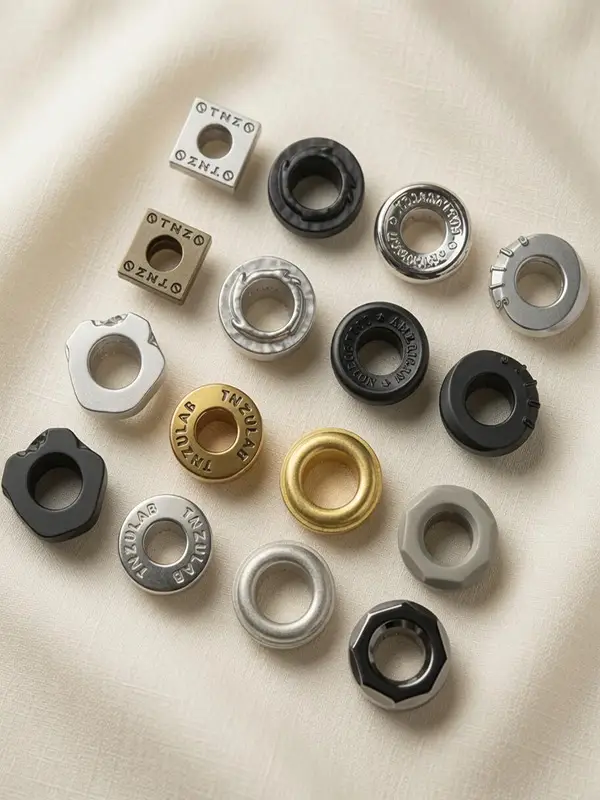
Test trims on the actual garment. A heavy puller can distort lightweight fabric. An eyelet can pull out when reinforcement is weak. Plated components may change after washing or rubbing. Drawcords can shrink, fray, twist, or retract into a channel. Record the acceptable function and appearance after the agreed care procedure.
Internal link: For garments that commonly use drawcords, eyelets, and zippers, review Dohyee’s custom hoodie category.
Plan Branded Clothing Packaging Around the Garment
Packaging must fit the folded product without crushing it or allowing excessive movement. Specify bag dimensions, material, thickness, transparency, opening and closure, ventilation, print area, warning text where applicable, sticker position, barcode location, folding method, pack ratio, and carton arrangement.
Test one complete pack before ordering bulk bags. A heavyweight hoodie needs a different volume from a T-shirt. A zipper pouch may require more clearance than a simple adhesive bag. Ink and adhesive should not transfer to the garment, and sharp trim must not damage the package during transport.
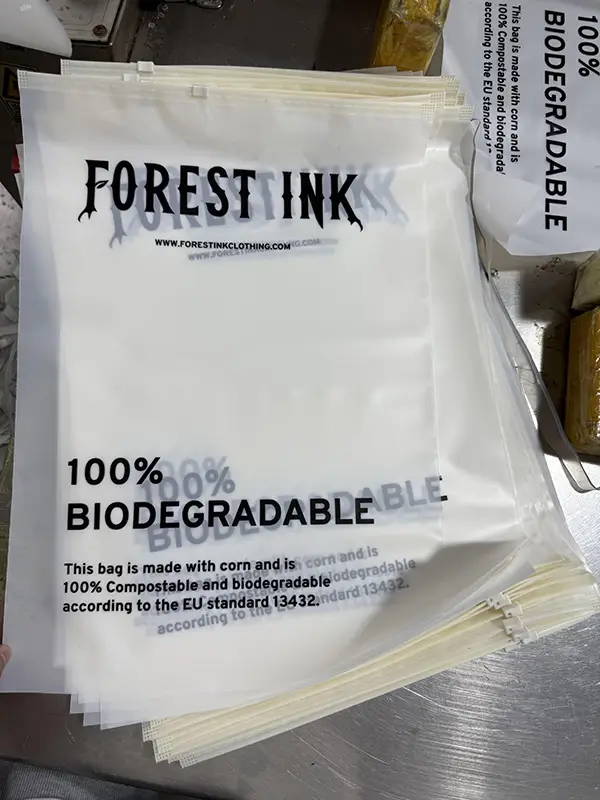
Words such as biodegradable, compostable, recyclable, renewable, and eco-friendly are marketing claims, not decoration. Ask for evidence and qualify the wording for the selling market and disposal conditions. The FTC’s Green Guides summary explains why broad environmental claims and unsupported compostable or degradable claims can mislead consumers.
Understand Why Accessory MOQ Is Not One Number
Accessory minimums can differ from garment MOQ. A woven label minimum may be driven by loom setup; printed labels by artwork and ink; metal hardware by mold, plating, and finish; bags by material and print setup; hang tags by stock, printing, and finishing. Ask for the MOQ per design, color, material, finish, and size.
Also ask about overproduction tolerance. Accessories are often produced in slightly different quantities from garments. Decide whether unused branded items will be stored, shipped, destroyed, or credited. Branded leftovers should not circulate without authorization.
| Quote line | Question to ask |
|---|---|
| Development | Are artwork cleanup, mold, plate, screen, die, or setup charges separate? |
| Sample | Is the sample digital, unbranded, or made with final materials and finish? |
| Unit price | Which quantity, material, color, finish, and packing basis does it use? |
| MOQ | Does the minimum apply per artwork, color, component, or total order? |
| Freight | Will accessories ship to the garment factory or directly to the buyer? |
| Ownership | Who owns molds, dies, artwork files, and unused branded stock? |
Create an Accessories Sheet Inside the Tech Pack
Assign a unique reference code to every component. The accessories sheet should include a clear image, supplier reference, material, dimensions, color, finish, artwork file, placement, attachment, quantity per garment, pack unit, test requirement, and approval status.
Do not write only “black zipper” or “brand hang tag.” Use measurable descriptions and attach approved samples. If a change is accepted, update the revision before bulk production. The garment bill of materials, purchase order, packing instruction, and inspection checklist should use the same component codes.
Internal link: Dohyee’s custom streetwear manufacturer guide explains how the wider product specification supports sampling and bulk production.
Approve Accessories in the Correct Sequence
- Confirm wording, artwork, measurements, materials, colors, and finishes.
- Review a digital proof for spelling, layout, and variable data.
- Approve physical component samples where hand feel, color, function, or finish matters.
- Install components on a production-quality garment sample.
- Complete wash, wear, scan, closure, pull, rub, or packing checks appropriate to the item.
- Seal dated references for bulk production and inspection.
A loose accessory sample cannot reveal every problem. Label edges may irritate skin only after sewing. A zipper may wave after garment washing. A hang tag may hang too low. A printed bag may obscure the barcode. Final approval should include the component in its intended use.
Custom Clothing Labels and Packaging Quality Control
| Inspection area | Check |
|---|---|
| Identity | Correct component code, artwork revision, size, color, and garment style |
| Appearance | Print clarity, weaving, finish, shade, logo orientation, scratches, and stains |
| Dimensions | Finished size, fold, seam allowance, zipper length, cord length, and bag size |
| Function | Zipper movement, snap or eyelet security, drawcord use, adhesion, and scan result |
| Attachment | Placement, stitch, reinforcement, alignment, security, and garment distortion |
| Information | Fiber, origin, care, responsible party, SKU, size, color, and barcode accuracy |
| Packing | Fold, bag closure, sticker, assortment, carton quantity, and carton mark |
FAQ About Custom Clothing Labels and Packaging
What labels does a private label clothing brand need?
The answer depends on the product and selling market. A system may include a main brand label, size label, fiber and origin information, care instructions, and retail hang tag. Verify legal content for each destination.
What is the difference between a woven label and a printed label?
A woven label builds the design with yarn and often suits brand identity. A printed label can reproduce longer care and content information. Select by detail, softness, durability, garment use, and wash performance.
Can startups order low MOQ custom labels and hang tags?
Often yes, but minimums vary by artwork, material, color, finish, printing process, and supplier setup. Ask which specification creates the minimum and whether components can be shared across styles.
Should trims be tested after garment washing?
Yes when the finished garment will be washed. Check color, shrinkage, corrosion or finish change, adhesion, cracking, zipper function, drawcord behavior, label legibility, and garment distortion.
Can packaging be described as biodegradable or compostable?
Only use environmental claims supported by reliable evidence and suitable qualifications for the selling market and disposal conditions. Do not rely on a product name or supplier statement alone.
What files should be sent to an apparel accessories supplier?
Send vector artwork, text, dimensions, color references, material and finish requirements, placement drawings, quantity, sample standard, packing instructions, destination, and required delivery date.
Sources and Verification
- Internal product evidence: Dohyee custom apparel accessories page and its current images.
- United States: FTC Textile Fiber Rule, Care Labeling Rule guidance, and Green Guides summary.
- European Union: Official Your Europe textile-label guidance.
- Care symbols: ISO 3758:2023.
Sources reviewed September 15, 2026. Regulations, standards, product pages, and production conditions may change. Verify requirements for the exact product and destination before placing an order.
Request Custom Labels, Trims and Packaging
Prepare the garment style, quantity, target market, component list, artwork, dimensions, materials, colors, finishes, placement, packing method, and delivery window. A complete accessories sheet helps the supplier identify missing information before sampling.
Internal contact: Send the project through the Dohyee contact page.