Custom Sweatpants Manufacturer in China: Fit, Fabric, MOQ and Quality Control Guide
Choosing a custom sweatpants manufacturer is not simply a matter of finding a factory that can sew a fleece pant. The supplier must translate a brand’s fit, fabric, wash, waistband, pocket, trim, label, and packaging requirements into a repeatable product. This guide is for streetwear startups, established clothing labels, creator brands, and wholesale buyers comparing low MOQ OEM/ODM sweatpants production in China.
Answer in brief: A reliable custom sweatpants manufacturer should provide pattern development, fabric and GSM confirmation, wash and decoration trials, a measured pre-production sample, private label finishing, in-line quality checks, and a documented final inspection. Before comparing unit prices, give every supplier the same tech pack and ask each one to state what its quotation includes.
| Decision | What the buyer should specify | Evidence to request |
|---|---|---|
| Fit | Jogger, straight leg, wide leg, curved fit, stacked, or cuffed silhouette | Measured sample, fit photos, and approved size chart |
| Fabric | Composition, target GSM, knit structure, face feel, inside finish, and color | Fabric swatch, test method, lot reference, and wash result |
| Decoration | Artwork size, placement, colors, technique, and acceptable hand feel | Strike-off or decorated sample approved before bulk production |
| Commercial terms | Quantity by style, color, and size; labels; packaging; destination; deadline | Itemized quotation, sample terms, production terms, and shipment scope |
| Quality | Measurement tolerances, appearance limits, testing, inspection, and remedies | Approved specification, inspection record, and final count |

What Should a Custom Sweatpants Manufacturer Actually Provide?
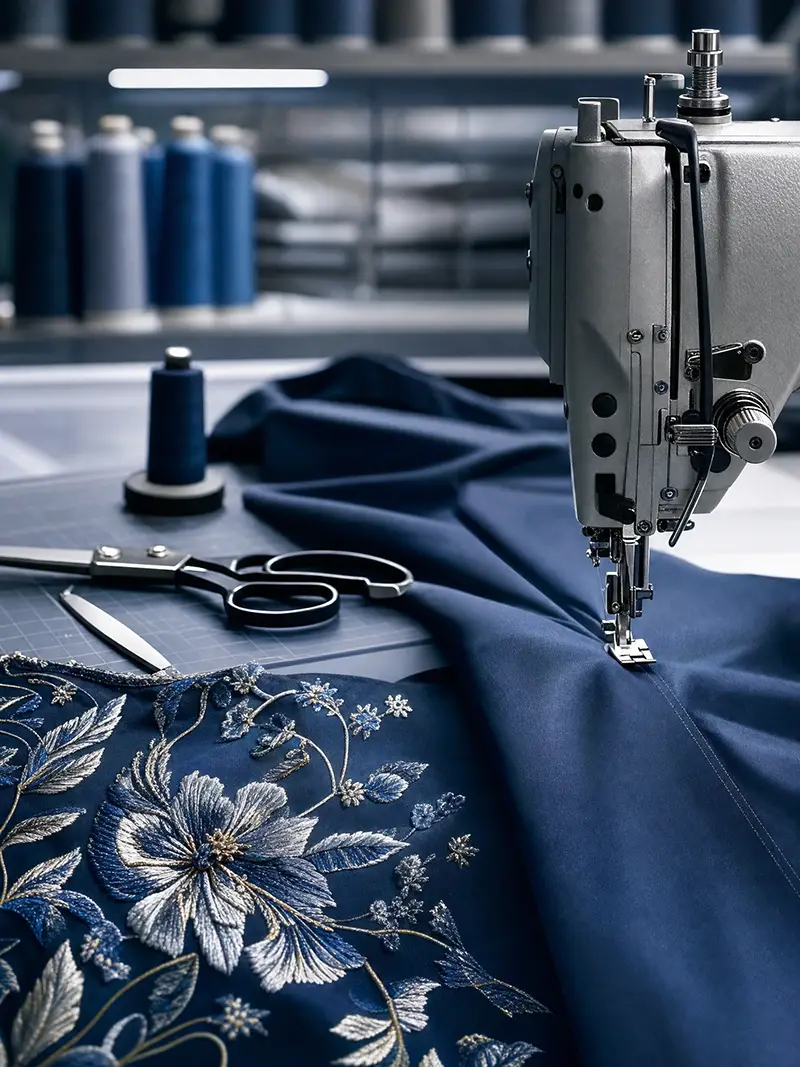
A cut-and-sew manufacturer develops the garment around an approved specification. That is different from a blank supplier that adds a logo to an existing pant. For a private label program, the manufacturer should be able to discuss the pattern, fabric construction, sample revisions, dye or wash process, decoration, trims, care label, packing method, inspection, and shipment handoff.
The distinction matters because two sweatpants can share the same color and nominal GSM yet fit and perform very differently. Rise shape affects movement. Pocket-bag depth affects whether a phone stays secure. Rib recovery affects whether cuffs stretch out. Fabric finishing affects shrinkage and hand feel. A capable OEM sweatpants manufacturer should turn those details into controlled specifications rather than relying on a reference photo alone.
Internal resource: Browse Dohyee’s custom sweatpants category for current silhouette examples, or review the broader custom OEM streetwear service for the development workflow.
Start With the Wearing Occasion, Then Choose the Sweatpants Fit
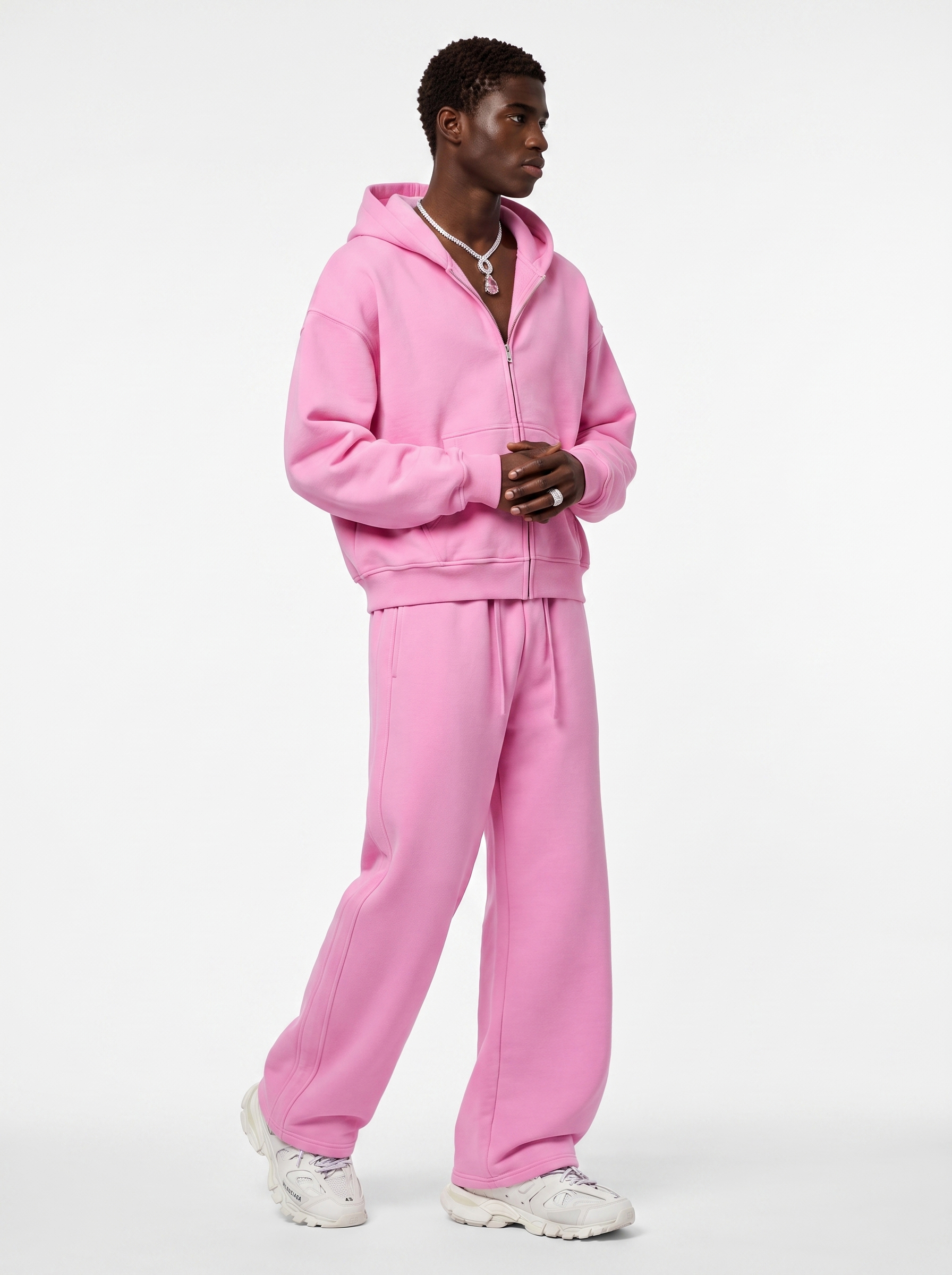
The best silhouette follows the customer’s use case. A heavyweight wide-leg pant may work for a fashion-led streetwear drop, while a cuffed fleece jogger may be better for cold-weather daily wear. A matching tracksuit needs color and wash consistency across both garments. Performance-led pants may need a different fabric, pocket design, and seam construction from casual cotton sweatpants.
| Silhouette | Useful for | Development risk to check |
|---|---|---|
| Cuffed jogger | Core collections, fleece programs, matching hoodie sets | Cuff recovery, inseam after washing, and taper through the calf |
| Straight or wide leg | Oversized streetwear, vintage programs, unisex collections | Leg opening, hem break, pocket position, and fabric drape |
| Curved or baggy fit | Directional streetwear and fashion capsules | Side-seam shape, knee volume, balance, and size grading |
| Double-waistband style | Layered looks and statement products | Waist comfort, bulk, attachment strength, and grading |
| Matching set bottom | Hoodie and sweatpants sets or crewneck sets | Shade, fabric lot, wash recipe, trim color, and delivery alignment |
For fit approval, record the relaxed waist, stretched waist, front rise, back rise, hip, thigh, knee, inseam, outseam, leg opening, cuff height, and pocket opening. Also define where each measurement is taken. A size chart without measurement points can produce different interpretations at the pattern table and inspection table.
Practical decision rule: Approve the silhouette on a real fit model, then approve the numbers. A sample can match a measurement chart and still feel wrong because balance, rise shape, or fabric behavior is off.
How Do You Choose Fabric and GSM for Custom Sweatpants?
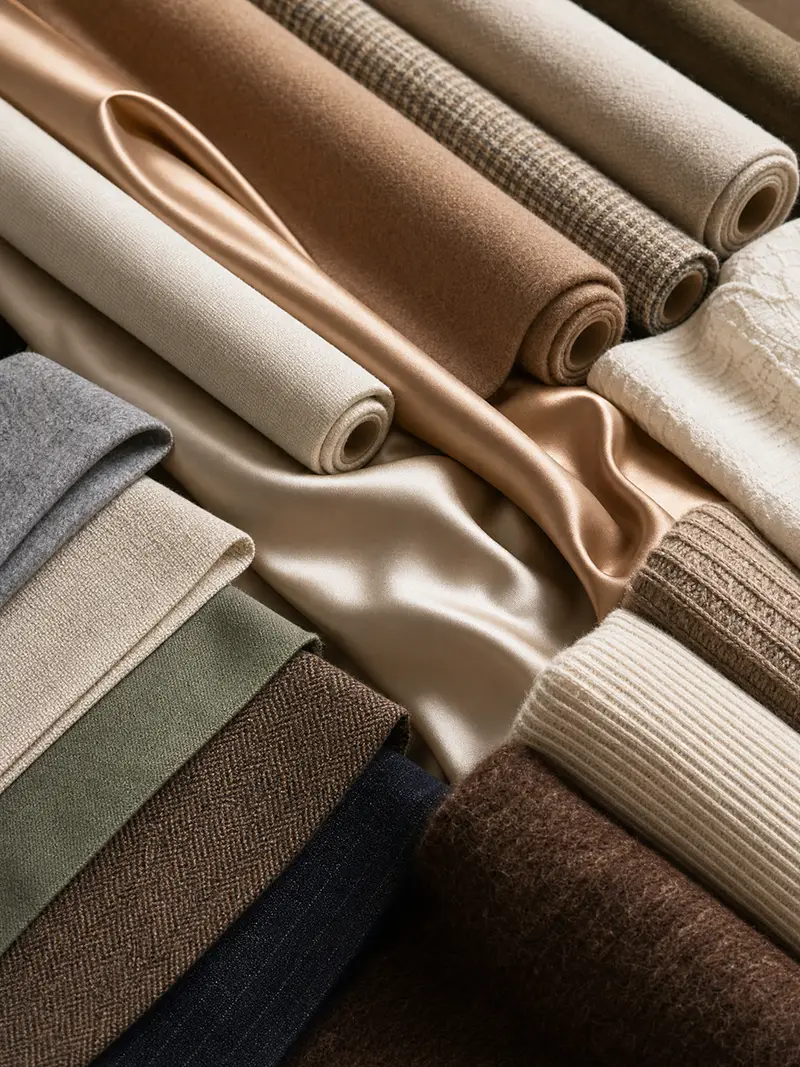
GSM means grams per square meter, but GSM alone does not define quality. Fiber composition, yarn, knit density, brushing, compacting, dyeing, and finishing all change the fabric’s structure and hand feel. Ask for the full fabric description and an actual swatch instead of buying from a GSM number alone.
French terry has loops on the inside and can suit transitional or year-round programs. Brushed fleece has a raised inner surface and is often selected for warmth and softness. Cotton-rich blends can support a natural face and casual hand feel, while polyester content may be used for stability or performance requirements. The correct choice depends on the product brief, not on a universal formula.
| Planning range | Likely product direction | Questions to resolve before sampling |
|---|---|---|
| About 280-330 GSM | Midweight joggers, casual sets, transitional collections | Will the fabric drape or hold shape? Is the inside looped or brushed? |
| About 330-420 GSM | Heavyweight sweatpants, structured streetwear, winter programs | How will weight affect shrinkage, seam bulk, cuffs, and drying? |
| Above about 420 GSM | Extra-heavy statement pieces and cold-weather capsules | Can the construction handle bulky seams, and is the retail use practical? |
These are sourcing ranges, not quality grades. Always approve the actual fabric and finished garment. Specify whether the quoted GSM is measured before or after the intended finishing process, and agree on a tolerance and test method with the supplier.
Internal resource: Compare jersey, French terry, fleece, twill, nylon, and other directions on Dohyee’s material solutions page.
External evidence: For product claims, use the scope and wording of the actual certification. OEKO-TEX STANDARD 100 addresses testing textiles for harmful substances, while Textile Exchange standards cover specific material and chain-of-custody programs. Do not describe a material or finished product as certified unless the relevant documentation supports that claim.

Control Pigment Dye, Vintage Wash and Snow-Wash Variation
Washed sweatpants are intentionally variable, but “variable” should not mean uncontrolled. Pigment dyeing, spray effects, vintage washing, and snow washing can create differences at seams, pockets, folds, and abrasion points. Fabric composition, garment loading, wash recipe, water conditions, and drying can all affect the result.
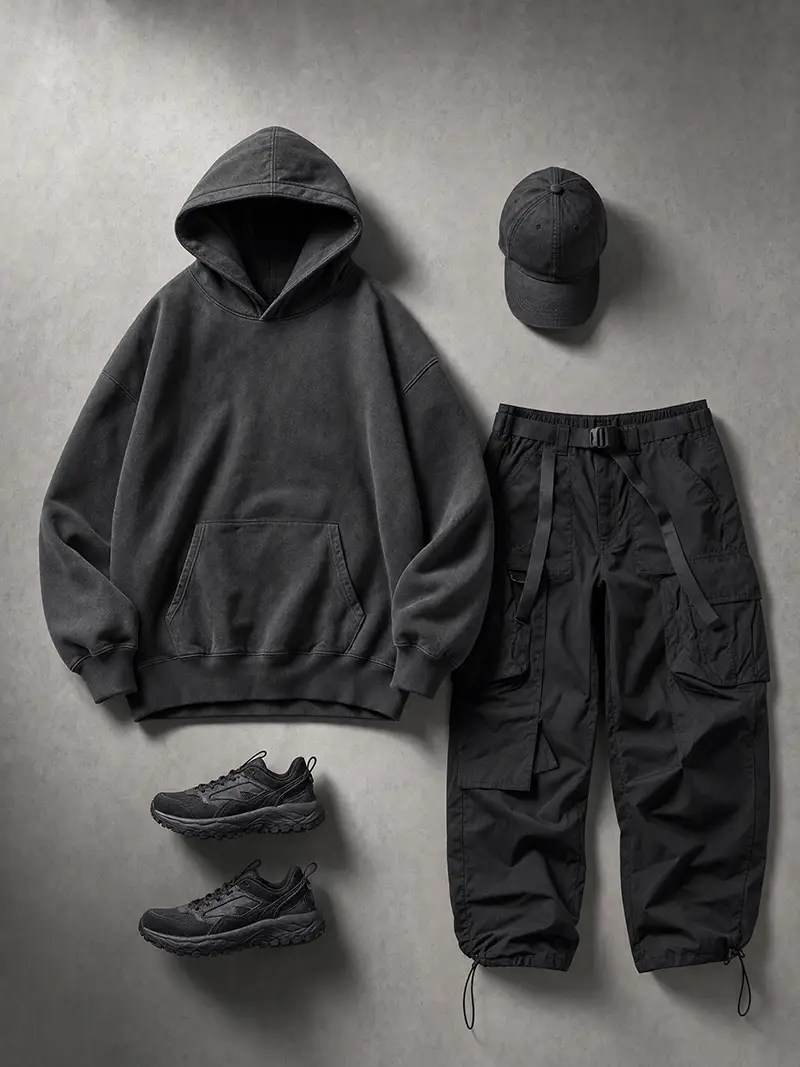
Before bulk production, define an acceptable appearance range. Keep one approved sample as the target, then agree on the lightest and darkest acceptable results when the technique naturally varies. Photograph the front, back, waistband, pockets, knees, cuffs, and any high-contrast areas under consistent lighting. For a matching set, the hoodie and sweatpants should be processed and assessed together.
A useful approval sequence is: raw fabric or base color, wash trial, decorated wash sample, pre-production garment, then bulk shade review. Artwork may react differently after washing, so approving a print on an unwashed panel is not always enough.

Waistbands, Drawcords and Pockets Are Functional Specifications
Buyers often spend most of the design meeting on fabric and artwork, then leave the waistband and pockets to the factory. Those components are where customers interact with the garment every day. Specify the elastic width and recovery, waistband height, drawcord material and length, eyelet or buttonhole construction, bartacks, pocket-bag material, pocket depth, zipper quality where used, and cuff construction.
Ask the sample room to test whether a phone pulls the pocket opening out of shape, whether the drawcord retracts into the channel, and whether the waistband twists after laundering. For heavyweight styles, check seam bulk where pocket bags, side seams, and waistbands meet. A clean exterior can hide an uncomfortable or fragile internal construction.
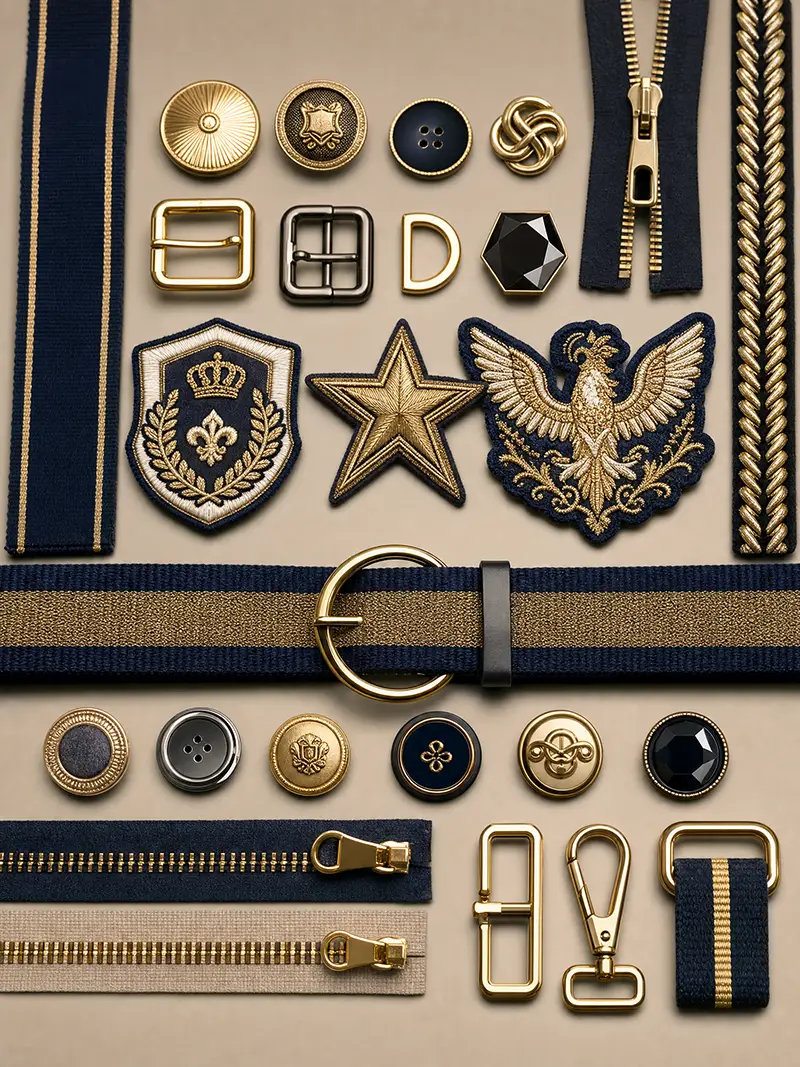
Internal resource: Review woven labels, wash labels, hang tags, drawcords, packaging, and other private label components on Dohyee’s custom apparel accessories page.
Choose Decoration After Fabric and Wash Are Confirmed
Screen printing, puff print, embroidery, applique, heat transfer, silicone print, and other techniques behave differently on fleece, French terry, washed cotton, and synthetic blends. Large embroidery can stiffen a leg panel. Thick prints can crack if placed across a high-stretch area. Fine details may fill in on textured fabric. A wash process can change the artwork color or surface.
Send vector artwork where possible and specify the finished artwork dimensions and location from fixed garment points. Approve a strike-off for color and texture, then approve the decoration on the actual fabric or garment. If the design crosses a pocket or seam, request a construction mockup because alignment tolerances and seam bulk will affect the result.
Internal resource: See Dohyee’s decoration and technics options when deciding which process to sample.
What Should Be in a Sweatpants Tech Pack?
A tech pack is the shared production record for the buyer, pattern maker, sample room, merchandiser, and quality team. It should reduce interpretation at each handoff. For custom joggers or wide-leg sweatpants, include the following:
| Tech pack section | Required information | Approval evidence |
|---|---|---|
| Technical drawings | Front, back, inside details, seams, pockets, waistband, cuffs, and callouts | Revision number and dated approval |
| Bill of materials | Main fabric, rib, pocketing, elastic, drawcord, eyelets, thread, labels, and packaging | Approved swatches, colors, and supplier references |
| Measurements | Points of measurement, base size, grading, tolerances, and how to measure | Measured sample report |
| Color and wash | Color reference, wash recipe direction, contrast, and acceptable variation | Approved standard and boundary samples where needed |
| Artwork | File, technique, colors, dimensions, placement, backing, and finish | Strike-off and decorated garment approval |
| Packaging | Folding, labels, size stickers, poly bags, barcodes, ratios, and carton marks | Packing mockup and packing list |
Internal resource: For broader factory-selection context, read Dohyee’s custom streetwear manufacturer in China guide.
How Should You Compare MOQ, Sample Cost and Bulk Quotes?
There is no meaningful universal MOQ for all custom sweatpants. The practical minimum depends on whether the fabric is in stock or custom made, whether colors require dyeing, how many wash recipes and artworks are used, the size range, and the MOQs of labels and packaging. A claim such as “low MOQ sweatpants manufacturer” is only useful when the supplier explains what the minimum applies to.
Give every factory the same request for quotation. State the quantity per color and the size ratio, destination country, target delivery window, fabric direction, artwork, wash, trims, and packaging. Then ask for costs to be separated.
- Development or pattern fee
- Sample fee and the number of revisions included
- Fabric and garment unit price
- Dyeing, washing, printing, embroidery, or applique charges
- Label, hang-tag, barcode, packaging, and carton charges
- Testing and inspection charges
- Freight scope, trade term, and destination charges
Buyer wording: “Please quote this style at the attached quantity by color and size. List fabric composition and finished GSM, sample terms, MOQ basis, decoration, labels, packaging, testing, bulk lead time after approval, payment terms, and shipment scope separately.”
Use a Sample Sequence That Protects the Bulk Order
A sample should answer a defined question. The first development sample checks silhouette and construction. A revised fit sample confirms corrections. A decorated or wash trial checks technique and appearance. A pre-production sample should represent the approved bulk specification, including fabric, color, wash, decoration, trims, labels, and packing details whenever practical.
Do not approve a sample with vague comments such as “make it a little baggier.” Record the exact revision, update the tech pack, and ask the supplier to return a measured sample report. When a change affects cost or timing, require written confirmation before bulk material is committed.
Quality Control Checklist for Heavyweight and Washed Sweatpants
Quality control begins with the approved specification, not at final inspection. The buyer and manufacturer should agree on test conditions, measurement tolerances, appearance limits, inspection method, and what happens when results fall outside the agreement.
| Control point | What to verify | Why it matters |
|---|---|---|
| Fabric identity | Composition, finished GSM, face, inside finish, width, and lot | Prevents substitutions and inconsistent hand feel |
| Dimensional change | Measurements before and after the agreed washing and drying procedure | Protects fit, inseam, rise, waistband, and cuff dimensions |
| Color and wash | Shade, placement, abrasion, panel matching, and set matching | Controls intended variation without accepting obvious outliers |
| Construction | Seams, stitch density, bartacks, pocket security, elastic, drawcord, and cuffs | Reduces failures in high-stress areas |
| Decoration | Size, placement, color, adhesion, embroidery tension, and surface after washing | Confirms that the artwork survives intended care |
| Labels and packing | Fiber and care information, size, country marking, barcode, ratio, and carton mark | Prevents compliance, retail, and fulfillment errors |
External test reference: ISO 5077:2007 describes a method for determining dimensional change after specified washing and drying procedures. A buyer should agree with the supplier or testing laboratory on the applicable preparation, washing, drying, measurement, and acceptance requirements for the actual product.

Plan Care Labels and Market Information Before Production
The selling market affects label content and the evidence behind product claims. For the United States, the Federal Trade Commission explains that most textile products need fiber content, country of origin, and responsible-company identification, and its Care Labeling Rule requires covered manufacturers and importers to provide care instructions. The brand or importer should confirm the rules that apply to its product and destination rather than copying a competitor’s label.
External regulatory reference: Review the FTC’s apparel and labeling guidance and Care Labeling Rule compliance guide when preparing products for the U.S. market.
A Practical Scorecard for Comparing Sweatpants Suppliers
Price should be compared only after technical scope is aligned. One way to reduce bias is to score each supplier using the same evidence. The weights below are a starting point; change them to suit the risk of your order.
| Supplier criterion | Suggested weight | Evidence to score |
|---|---|---|
| Understanding of the specification | 25% | Questions asked, contradictions found, and written production interpretation |
| Sample accuracy | 20% | Measurements, fit, fabric, wash, workmanship, and correction control |
| Material and process evidence | 15% | Swatches, test reports, wash trials, certifications, and traceable references |
| Communication and change control | 15% | Response quality, revision records, risk warnings, and approval gates |
| Quality system | 15% | In-line controls, final inspection method, defect records, and corrective action |
| Commercial fit | 10% | Complete quote, workable MOQ, payment terms, capacity, and delivery plan |
A supplier with the lowest sample price may not be the lowest-risk production partner. The scorecard forces the buying team to document why a manufacturer is preferred and where additional controls are needed.
Questions to Send a Custom Sweatpants Manufacturer
- Do you make patterns from a tech pack, a physical sample, or both?
- Is the proposed fabric in stock, made to order, or custom dyed?
- What are the composition, finished GSM, inside finish, and available test records?
- Is the MOQ calculated per style, fabric, color, wash, artwork, or total order?
- Which sample stages do you recommend, and what does each sample approve?
- How will you control shade variation for pigment dye or garment washing?
- Can the same fabric lot and wash process be used for matching tops and bottoms?
- Which measurements and appearance points are checked during production?
- What labels, packaging, barcodes, and carton information are included?
- What changes could affect the quoted price or planned shipment date?
FAQ About Custom Sweatpants Manufacturing
What is a custom sweatpants manufacturer?
A custom sweatpants manufacturer develops and produces pants to a buyer’s specification. The scope may include pattern making, fabric sourcing, sampling, garment dye or washing, printing or embroidery, private labels, packaging, quality control, and shipment preparation.
Can a startup find a low MOQ sweatpants manufacturer in China?
Yes, but the workable MOQ depends on the fabric, color, wash, artwork, labels, packaging, and size range. Startups can improve flexibility by using available fabric, limiting colors, sharing one pant body across artworks, and confirming which component creates the highest minimum.
What GSM is best for heavyweight streetwear sweatpants?
Many buyers begin discussions around 330-420 GSM for heavyweight programs, but GSM is not a quality grade. The best fabric is the one that achieves the intended warmth, structure, drape, durability, care performance, and target cost after finishing.
Is French terry or fleece better for custom joggers?
French terry can suit transitional and year-round products because of its looped interior. Brushed fleece is often selected for warmth and softness. The choice should be made after comparing actual swatches, finished garments, climate, care needs, and retail positioning.
How can a brand control shrinkage in sweatpants?
Specify the agreed washing and drying procedure, measure the sample before and after testing, record dimensional change at key points, and approve the result before bulk production. Fabric finishing, garment washing, rib, elastic, and construction should be assessed together.
How do you control color variation in washed sweatpants?
Approve a target sample and, when natural variation is expected, define light and dark boundary samples. Use consistent photography, compare key panels and seams, keep production lots identifiable, and agree on how outliers will be handled.
Do I need a tech pack for private label sweatpants?
A tech pack is strongly recommended because it gives the factory, sample room, and quality team one controlled reference. If the project begins from a physical sample, document every intentional change and convert the approved result into a dated specification before bulk production.
Can a manufacturer make matching custom hoodies and sweatpants?
Yes. For a matching set, confirm that the top and bottom use compatible fabric lots, colors, washes, ribs, drawcords, labels, and delivery timing. Approve the garments together because separate processing can create visible shade differences.
How long does custom sweatpants production take?
There is no single reliable lead time. Timing depends on fabric availability, sample revisions, dyeing or washing, decoration, trim production, testing, order size, factory capacity, approvals, and shipping. Ask for a milestone plan tied to buyer approvals rather than one unsupported delivery promise.
Sources and Verification Notes
- Internal product evidence: Dohyee sweatpants category and the four linked product pages provide the product and image context used in this guide.
- Textile safety reference: OEKO-TEX STANDARD 100.
- Material standards reference: Textile Exchange standards.
- Dimensional-change reference: ISO 5077:2007.
- U.S. labeling references: FTC apparel labeling and care labeling compliance.
Source review date: September 10, 2026. Product requirements and regulations can change; verify the current requirement for the destination market and the specific order.
Request a Custom Sweatpants Quotation
Send Dohyee your reference images or tech pack, target quantity by color and size, fit direction, fabric and GSM target, wash or artwork files, private label requirements, destination country, and delivery window. The more complete the brief, the easier it is to compare a sample and quotation against the same standard.
Internal contact: Start the project through the Dohyee contact page.