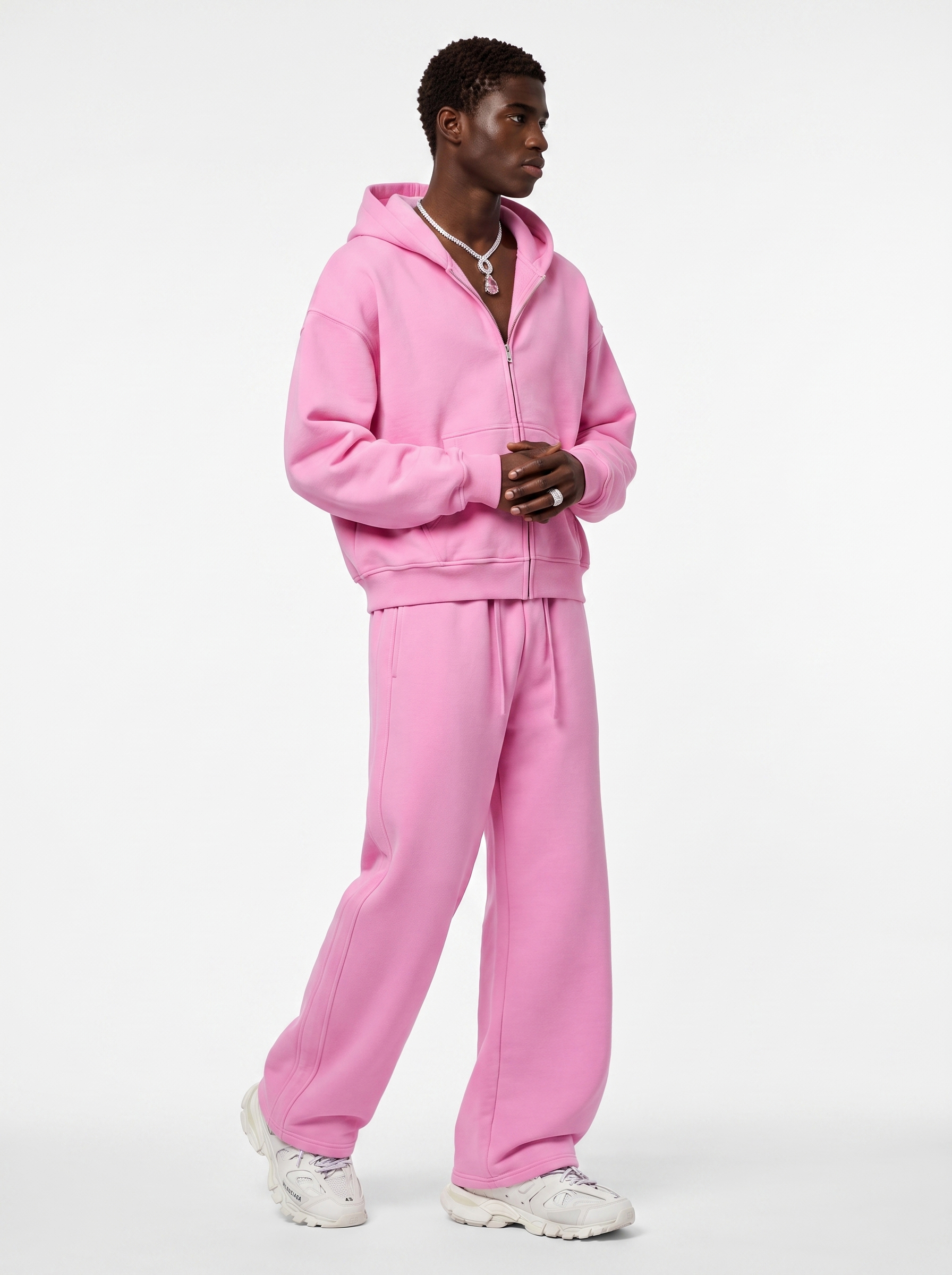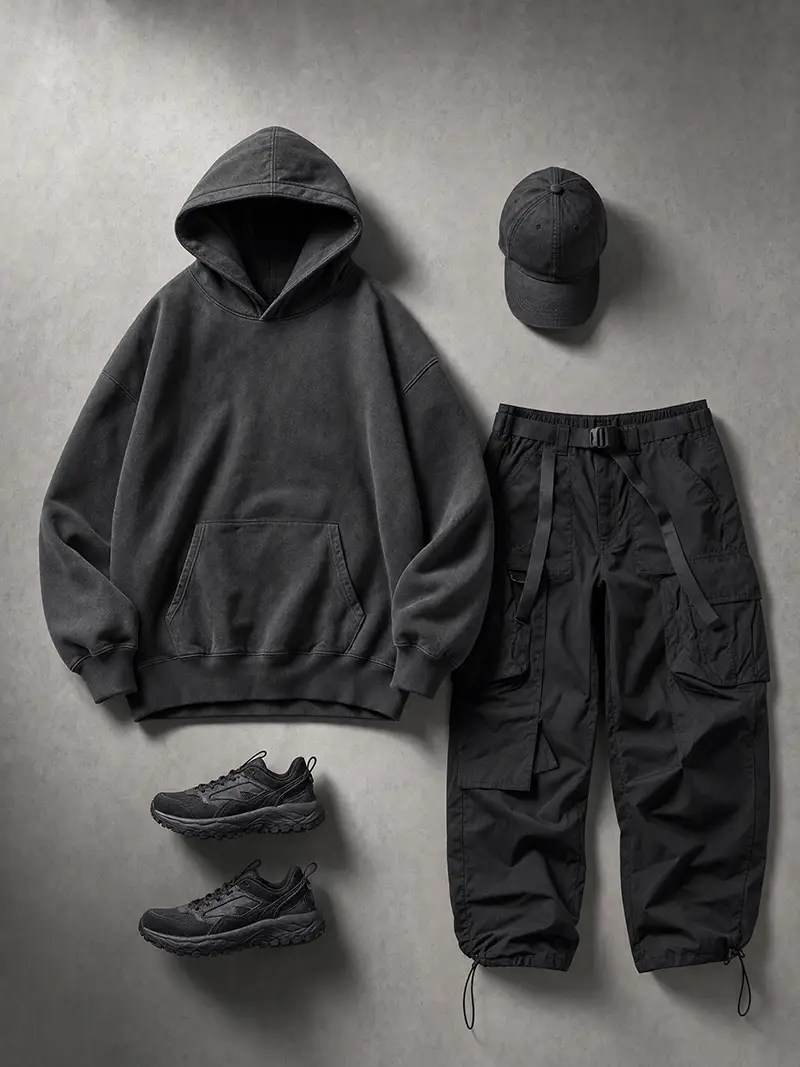
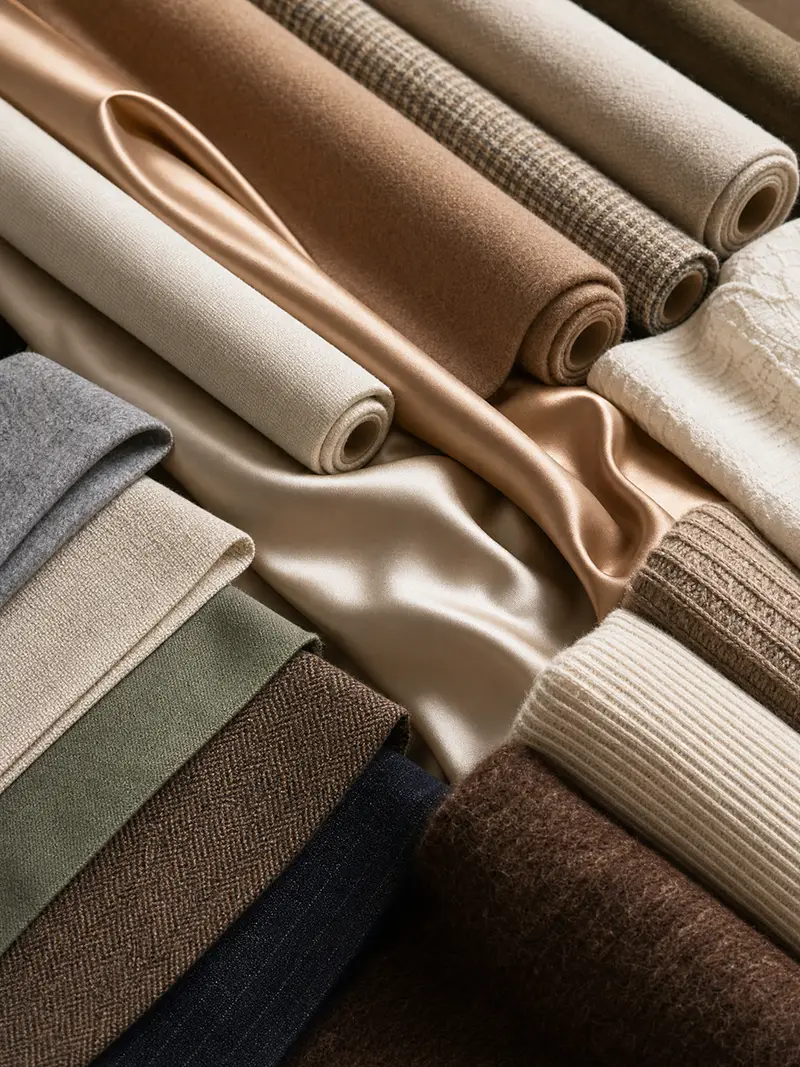
Garment washing techniques can change color, hand feel, texture, measurements, seams, and printed artwork. A wash should never be approved from a mood-board image alone. The factory needs a physical standard, test plan, and repeatable production tolerance.
Quick answer: Confirm the fiber, fabric, garment shape, artwork, trims, target shade, and care method first. Approve one dated wash standard, record measurements before and after processing, and use it to judge bulk shade, shrinkage, hand feel, damage, and color transfer. The approved garment, not the wash name, is the production reference.
This buyer-side guide does not prescribe chemical recipes. A qualified wet-processing facility should develop the process for the selected garment, equipment, chemical system, and local requirements.

What Garment Washing Actually Changes
A garment wash is a finishing operation performed after some or all construction is complete. It may clean or soften the surface, remove loose fibers, create abrasion, redistribute color, or add a worn effect. Load size, time, temperature, mechanical action, drying, fabric lot, thread, and garment geometry can all affect the outcome.
Two suppliers can therefore call a finish “vintage wash” while producing different garments. The phrase describes an aesthetic direction, not a universal recipe. Separate the target into five observable groups:
- Color: overall shade, contrast, undertone, panel-to-panel variation, and high-low effect.
- Surface: clean, peached, abraded, cloudy, streaked, marbled, or deliberately distressed.
- Hand feel: dry, soft, compact, fluid, brushed, or structured.
- Construction: seam puckering, edge wear, holes, thread damage, zipper behavior, and trim appearance.
- Dimensions: shrinkage, growth, twist, skew, inseam change, body length, and sleeve length.
Brands developing washed hoodies, tees, sweatshirts, or bottoms can review Dohyee’s custom apparel fabric options before choosing a finish. Fabric selection comes first because the same treatment does not create the same result on cotton jersey, French terry, fleece, denim, or a cotton-polyester blend.
Garment Washing Techniques: 9 Essential Production Checks
| Check | What the buyer should define | Evidence to approve |
|---|---|---|
| 1. Fiber and fabric | Composition, construction, finished GSM, stretch, face and back, and fabric lot | Cutting and fabric reference from the intended lot |
| 2. Visual target | Base shade, cast, contrast, abrasion zones, and acceptable irregularity | Dated physical wash standard under agreed lighting |
| 3. Hand feel | Softness, dryness, drape, and surface character | Sealed garment sample, not a written adjective alone |
| 4. Measurements | Pre-wash pattern allowance and post-wash garment specification | Before-and-after measurement report by size |
| 5. Artwork | Whether printing or embroidery occurs before or after washing | Washed strike-off or complete garment sample |
| 6. Trims | Thread, labels, zippers, drawcords, snaps, eyelets, patches, and elastic | All production trims tested on the washed garment |
| 7. Performance | Colorfastness, crocking, shrinkage, spirality, seam and appearance requirements | Test report using named methods and conditions |
| 8. Bulk tolerance | Shade range, placement variation, defects, and measurement tolerance | Approved limit samples or written acceptance rules |
| 9. Claims and records | Environmental claims, chemical documentation, lot traceability, and QC records | Specific supporting documents rather than broad marketing language |
How Common Streetwear Washes Differ
Terminology varies among laundries. Ask the supplier to explain the intended route and show a physical sample; a name alone does not fix the chemistry, abrasion, or final shade.
| Technique | Typical visual or hand result | Main development risk |
|---|---|---|
| Rinse or softener wash | Cleaner surface and softer hand with limited intentional fading | Unexpected measurement change or inconsistent softness |
| Enzyme wash | Cleaner cellulosic surface, reduced fuzz, softer hand, and controlled aged character | Excess surface loss, shade change, or strength reduction if overprocessed |
| Stone wash | Physical abrasion and worn high points, especially on durable woven garments | Uneven abrasion, damaged seams or trims, and excessive garment wear |
| Acid or snow wash | High-contrast, irregular, cloudy, or marbled color removal | Harsh contrast, spotting, panel mismatch, strength loss, or poor repeatability |
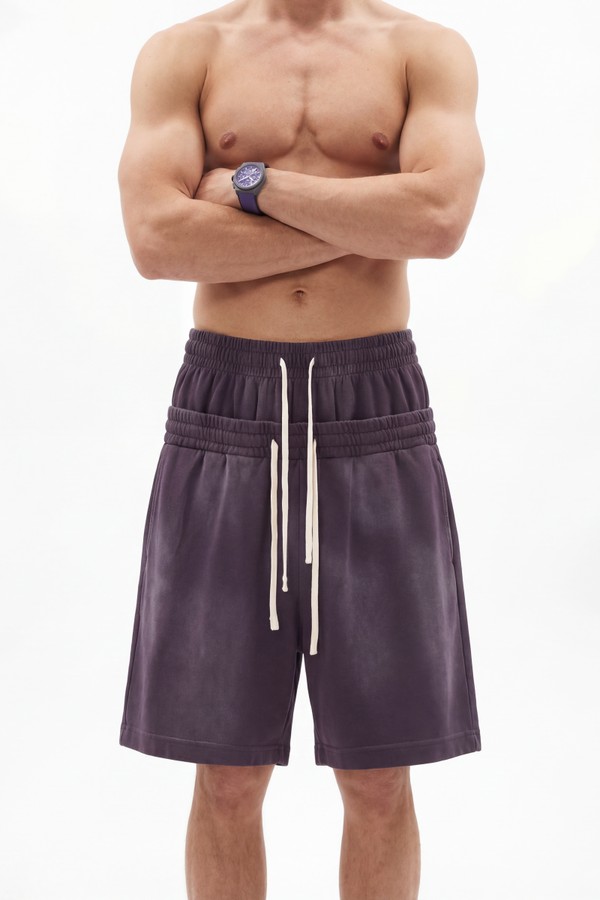
| Garment pigment dye and wash | Surface-rich color, dry vintage character, and progressive fading | Wet or dry rubbing transfer, seam variation, shade migration, and batch differences |
| Bleach or discharge effect | Reduced color or localized contrast | Fiber damage, unwanted undertone, poor neutralization, or trim reaction |
| Spray or monkey wash | Localized highlights or shadows placed on selected garment areas | Placement drift and operator-to-operator inconsistency |
| Overdye | Color laid over an existing fabric, print, seam, or wash effect | Different uptake among fibers, threads, rib, labels, and panels |
Garment washing techniques should be selected from the final appearance, not a fashionable process name. A soft faded tee and a sharply marbled hoodie may require different routes, and trials on the actual fabric can change the recommendation. Use Dohyee’s apparel techniques overview alongside the wash brief when artwork is involved.
Match the Wash to Fiber and Fabric Construction
Cotton-rich fabrics often show abrasion and surface color change more clearly than polyester-rich blends, but “cotton” is not a complete specification. Yarn, knit density, dye class, pretreatment, compacting, brushing, and finishing influence the response. A 260 GSM jersey and 440 GSM French terry will not produce the same hand or contrast under an identical route.
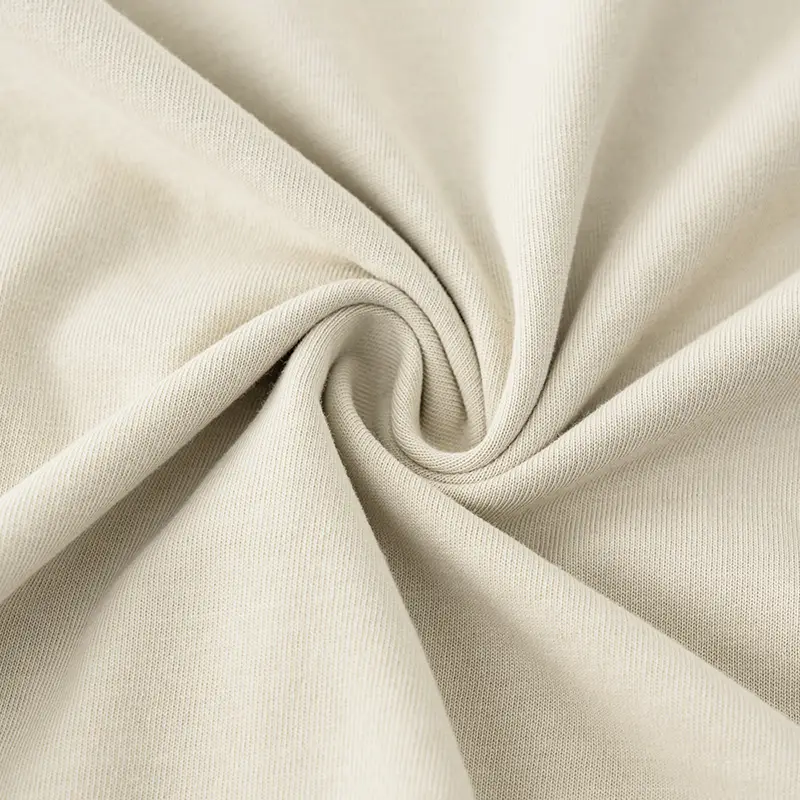
- Cotton jersey: good for soft vintage effects, but neck rib, body twist, edge rolling, and length loss need attention.
- French terry: can develop attractive seam character; loops may snag or compact differently from the face.
- Brushed fleece: heat and mechanical action can alter loft, thickness, pilling, and interior softness.
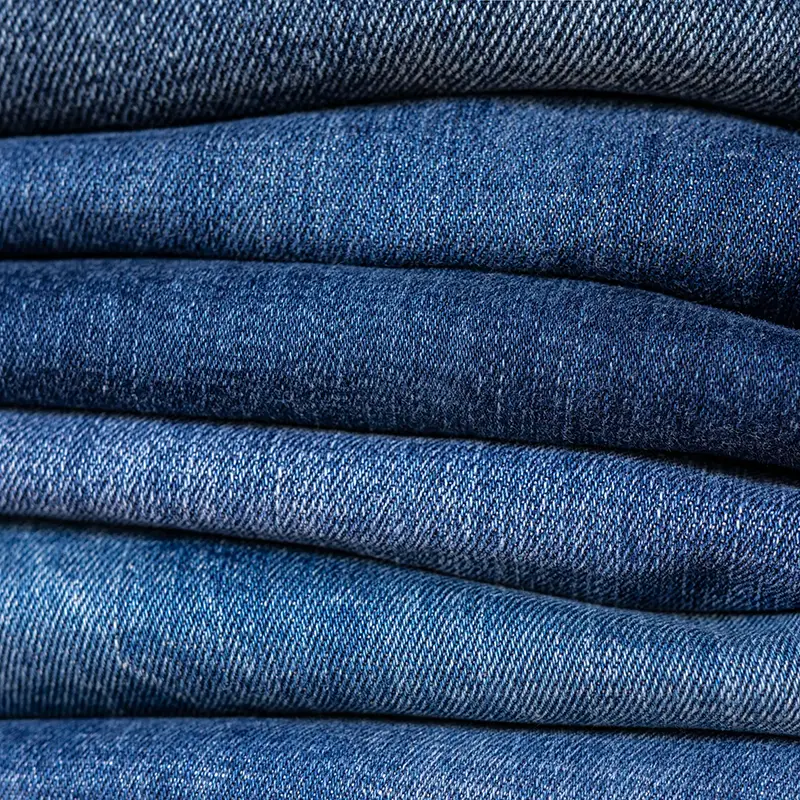
- Denim and twill: abrasion can emphasize seams and folds, but concentrated wear may damage pockets, belt loops, hardware, or stitching.
- Cotton-polyester blends: the fibers may retain or accept color differently, creating heathering or reduced contrast.
- Elastane blends: test recovery and dimensional stability; excessive processing conditions can affect stretch performance.
Do not approve substitute fabric and assume the result will transfer. If production fabric is unavailable, treat the sample as an experiment and repeat approval on the correct lot.
Control Post-Wash Measurements, Shrinkage, and Twist
The customer buys the garment after washing, so the post-wash specification is the commercial requirement. The factory may enlarge or reshape the pre-wash pattern to reach that target, but the allowance should come from trials on the actual fabric and process. A generic shrinkage percentage copied from another style is not reliable enough.
For one measurement, calculate dimensional change as:
Dimensional change (%) = (after-wash measurement – before-wash measurement) / before-wash measurement x 100
A negative result indicates shrinkage; a positive result indicates growth. Record the measuring points, conditioning practice, wash and drying procedure, and number of cycles. Body length and sleeve length may behave differently, and knitted garments may also rotate. Check side-seam twist, leg twist, shoulder movement, rib recovery, and pocket position rather than relying only on chest width.
ISO 5077 describes a method for determining dimensional change after specified washing and drying procedures. It does not supply one universal pass value for every product. The brand and supplier still need to agree on the applicable procedure and acceptance limit.
Decide What Is Attached Before and After Washing
Wash order affects almost every decorative and functional component. A print applied before washing may be intentionally aged, but it can crack, stain, lift, or change color. Embroidery may pucker as the surrounding fabric contracts. Natural-colored drawcords can absorb loose dye. Metal parts can scratch the garment or react with the process. Labels may curl, bleed, or become unreadable.
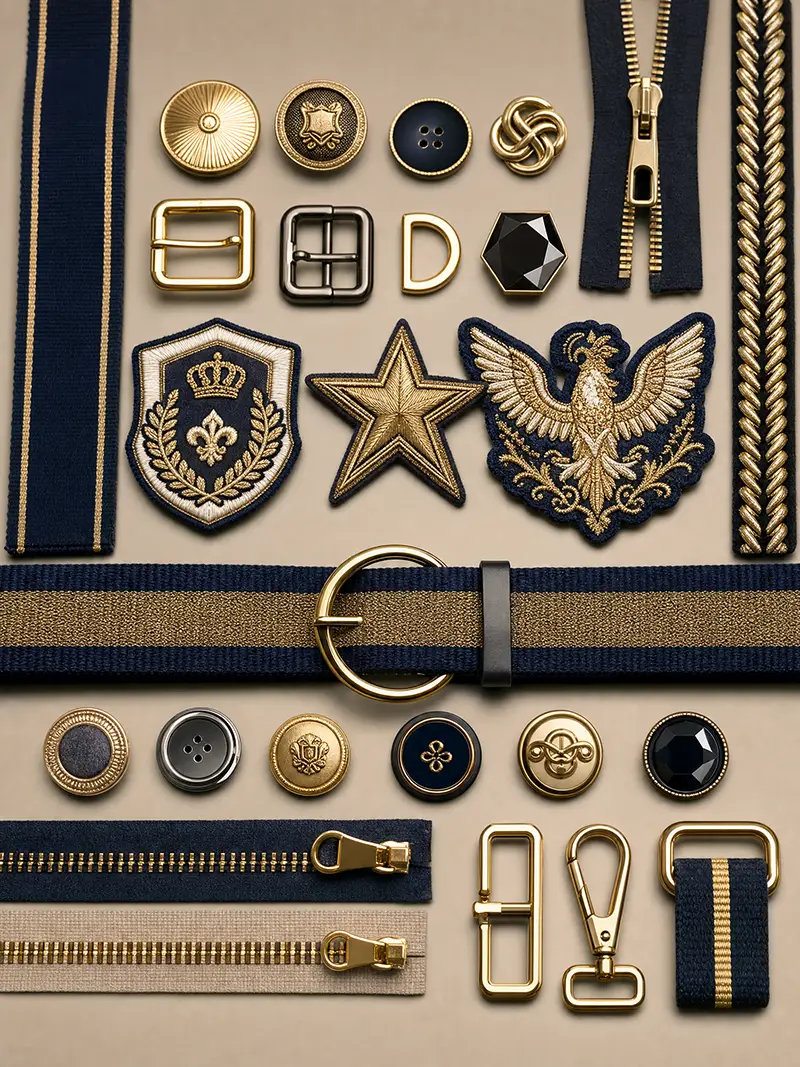
The bill of materials should identify whether each component is installed before or after washing. Test the real production versions of sewing thread, neck rib, elastic, labels, zippers, pullers, buttons, snaps, eyelets, drawcords, aglets, patches, prints, and embroidery. Dohyee’s custom apparel accessories page provides a component reference, while the labels and packaging guide explains how to document label and trim approvals.
Write the Wash Standard into the Tech Pack
A wash page is a production document, not an inspiration collage. Give each approved sample a style number, version, colorway, fabric lot, date, and approval record. Photographs help communication, but screen color is not the final shade authority without an agreed digital color workflow.
The wash section should include:
- Fiber composition, fabric code, construction, supplier, and target finished GSM.
- Base fabric or garment color and the required washed appearance.
- Front, back, side, seam, cuff, rib, pocket, and close-up reference photographs.
- Areas where abrasion or spray is required and areas that must remain protected.
- Pre-wash and post-wash measurement specifications.
- Artwork and trim installation sequence.
- Named test methods, test conditions, and agreed acceptance criteria.
- Bulk shade range and any approved limit samples.
- Care-label wording approved for the intended market.
Use Dohyee’s custom streetwear sourcing guide for the wider production context. Connect the wash page to the measurement chart, bill of materials, artwork, and care instructions.
Use a Sampling Sequence That Exposes Risk Early
- Feasibility review: the factory checks fabric, construction, artwork, trims, target effect, quantity, and deadline.
- Wash trials: small trials explore shade and surface direction without treating them as fit approval.
- Development sample: the chosen route is applied to a complete garment with intended components.
- Measurement review: before-and-after data is used to correct the pattern and construction.
- Size set or graded check: critical sizes confirm that allowances work across the range.
- Pre-production sample: production fabric, trims, artwork, labels, wash, drying, and packing are combined.
- Bulk pilot: where risk justifies it, a controlled first load is checked before the full run continues.
Approval should name what was accepted. “Wash approved” is incomplete if fit, shade, hand feel, print condition, and trims were reviewed separately. Keep one sealed reference with the buyer and one with the supplier when practical.
Test Performance and Inspect Bulk Consistency
Visual approval and laboratory performance answer different questions. A good-looking wash can still transfer color, shrink beyond specification, or weaken a seam. Build the test plan around fiber, color, product use, care label, market, and known risks.
| Risk | Useful control | Bulk inspection point |
|---|---|---|
| Shade variation | Approved standard, agreed lighting, and limit samples where needed | Compare loads and panels; segregate unacceptable shade bands |
| Color loss in laundering | Named laundering colorfastness method and agreed rating | Confirm production lot test record |
| Dry or wet rubbing transfer | Named crocking method, substrate, and acceptance rating | Pay special attention to deep and pigment-rich shades |
| Dimensional change | Specified wash and dry procedure with measurement points | Measure sampled garments by size and load |
| Twist or skew | Agreed measurement method and limit | Check side seams, legs, sleeves, and hems |
| Damage | Construction review and trial wash with all components | Inspect holes, broken stitches, abrasion, trims, and elastic |
| Appearance drift | Physical standard plus acceptable variation examples | Compare early, middle, and late production loads |
ISO 105-C06 covers colorfastness to laundering under specified conditions. AATCC’s standards directory lists methods for accelerated laundering, crocking, and dimensional change. State the edition and procedure agreed for the order.
How Washing Changes MOQ, Cost, and Lead Time
There is no universal wash price or MOQ. Cost depends on development rounds, garment weight, load efficiency, process steps, drying, controls, handwork, testing, reject risk, and colorways. A localized effect may cost more because placement adds labor.
Ask quotations to separate garment making, wash development, bulk washing, handwork, testing, and loss allowance. Confirm whether the minimum applies per style, color, recipe, or production load.
For a comparable quote, send the same brief to each supplier. Dohyee’s OEM streetwear service page outlines the broader custom development route, and the contact page can be used to submit a style brief and reference images.
Check Wet-Processing Records and Environmental Claims
Garment washing is wet processing, so review more than appearance. Ask where it is performed, whether it is subcontracted, how chemicals are approved, how wastewater and sludge are managed, and which facility records are available. One location’s certification is not evidence for an unrelated subcontractor.
The ZDHC Wastewater and Sludge Guidelines provide an industry framework for wet-processing wastewater and sludge. Check the currently active version and scope when reviewing a supplier. OEKO-TEX STeP addresses social and environmental performance at textile and leather production facilities, including industrial laundries.
Do not convert process language into unsupported marketing. “Eco wash,” “low impact,” and “water saving” need a defined comparison, boundary, method, and evidence. The FTC Green Guides summary advises marketers against broad, unqualified environmental benefit claims and explains the need for clear, specific substantiation.
FAQ About Garment Washing Techniques
What is the best wash for a vintage streetwear T-shirt?
There is no single best process. Define shade, hand feel, contrast, fabric, artwork, and colorfastness, then confirm the route through trials on the intended fabric and complete garment.
Is enzyme wash the same as acid wash?
No. Enzyme washing modifies the surface of suitable cellulosic textiles. Acid or snow wash describes a more contrasted, irregular color-removal appearance. Approve the outcome and process description, not the name alone.
Should a garment be printed before or after washing?
It depends on the look and print system. Washing after printing can age or damage artwork; printing afterward gives more graphic control. Test the complete production sequence.
How much will a washed hoodie or T-shirt shrink?
It cannot be predicted from the product name. Fiber, knitting, compacting, pattern, rib, wash, and drying matter. Measure production-fabric trials and set post-wash specifications by size.
Why do pigment-washed garments transfer color?
Surface-rich color can transfer during rubbing or early laundering. Specify dry and wet rubbing tests, laundering colorfastness, care instructions, and precautions for deep shades.
Can bulk washed garments match one sample exactly?
Wet processes vary, especially irregular effects. Approve a central standard and, where needed, light and dark limit samples plus defect rules.
Can the same wash recipe be used on every color?
Not without verification. Dyes, base shades, fabric lots, and trims react differently. Approve each colorway unless testing supports one controlled route.
What should a brand send for a garment wash quotation?
Send the tech pack, fabric, GSM, quantities, post-wash measurements, visual references, artwork, trims, care and test requirements, destination, deadline, and available physical standard.
Sources and Further Reading
- External standard: ISO 105-C06:2010, colour fastness to domestic and commercial laundering.
- External standard: ISO 5077:2007, dimensional change in washing and drying.
- External test-method directory: AATCC standard test methods and procedures.
- External wet-processing framework: ZDHC Wastewater and Sludge Guidelines.
- External facility standard: OEKO-TEX STeP.
- External marketing guidance: FTC Environmental Claims: Summary of the Green Guides.
Prepare a Wash Brief Before Requesting a Quote
A strong inquiry defines the result and acceptance boundary without dictating a chemical recipe. Send fabric information, a reference garment, wash images, post-wash size chart, artwork sequence, trims, tests, quantity, market, destination, and delivery window.
For custom T-shirts, compare the wash plan with the custom T-shirt manufacturing guide. For heavier knitwear, review the custom hoodie guide and custom sweatshirt guide. Bottoms have separate fit and measurement risks covered in the custom sweatpants manufacturing guide.
Internal contact: Send the style brief, target quantity, and wash references through the Dohyee contact page for a feasibility review.